
- Conquer three high Himalayan passes: Kongma La (5,535m), Cho La (5,420m), and Renjo La (5,360m) on a single trek.
- Experience the Everest region’s diverse landscapes, from lush Sherpa villages to glaciers and alpine deserts.
- Stunning panoramic mountain views, including Mount Everest, Lhotse, Nuptse, Ama Dablam, and Cho Oyu.
- Challenging trek for adventurous and fit trekkers, combining technical trails and high-altitude experiences.
- Cultural immersion in Sherpa villages, with visits to monasteries, teahouses, and traditional settlements.
- Visit iconic landmarks, including Everest Base Camp, Gokyo Lakes, Kala Patthar, and glacial moraines.
- Rich biodiversity, with Himalayan flora, rhododendron forests, and wildlife like yaks and Himalayan birds.
- Unforgettable photography opportunities, capturing snow-capped peaks, serene lakes, and rugged passes.
- Combine adventure with culture, experiencing local festivals, food, and traditional Himalayan lifestyle.
- Perfect for seasoned trekkers seeking a comprehensive Everest region challenge with spectacular rewards.
A
L
P
I
N
E
SHERPA CLUB

Alpine Sherpa Club
Alpine Sherpa Club is a Nepal travel agency offering safe, authentic, and personalized Himalayan treks and tours led by expert local Sherpas.
- info@alpinesherpaclub.com
-
- +977 9749749991
-
- Kharibot - Kapan, Kathmandu
View
View
View
View
View
View
×

Itinerary
Time
Whole Day
Max Altitude
1,400 m
Time
Whole Day
Max Altitude
1,400 m
- Today is dedicated to preparing for the trek and obtaining necessary permits, while also allowing time to acclimate before starting the challenging expedition.
- Our experienced guide will inspect your trekking gear, offer any necessary guidance, and provide a detailed briefing about your trip.
- We’ll also give you an overview of the trekking itinerary and cover important details for the next day, including check-out time, breakfast, and transportation.
- After a few hours of preparation, you can spend the rest of the day exploring several world heritage sites at your own pace.
Time
4 - 5 hrs
Max Altitude
2,850 m
- Early in the morning, you’ll take a taxi or cab for a 15 to 20-minute ride to the domestic airport, where you’ll board a flight from Kathmandu to Lukla according to the flight schedule.
- After an exciting 25 to 30-minute scenic flight, we’ll arrive in Lukla (Altitude: 2,800m).
- We’ll begin our trek, passing above Chaurikharka Village and heading towards Phakding (Altitude: 2,850m), with a descent through Chheplung Village to Ghat (Altitude: 2,530m).
- The trail follows the banks of the Dudh Koshi River, passing through Sherpa settlements that practice Nyingma Buddhism, with sacred Buddhist mantras beautifully painted on boulders along the way.
- It will take about 2 to 3 hours to trek from Lukla to Phakding (Altitude: 2,640m).
- After arriving, you can explore the village for the rest of the day before spending the night at a tea house.
Time
3 - 4 hours
Max Altitude
3,440 m
Time
Whole Day
Max Altitude
3,200 m
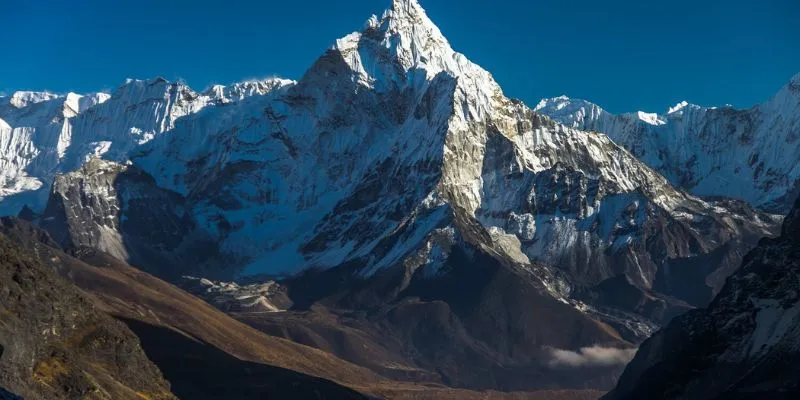
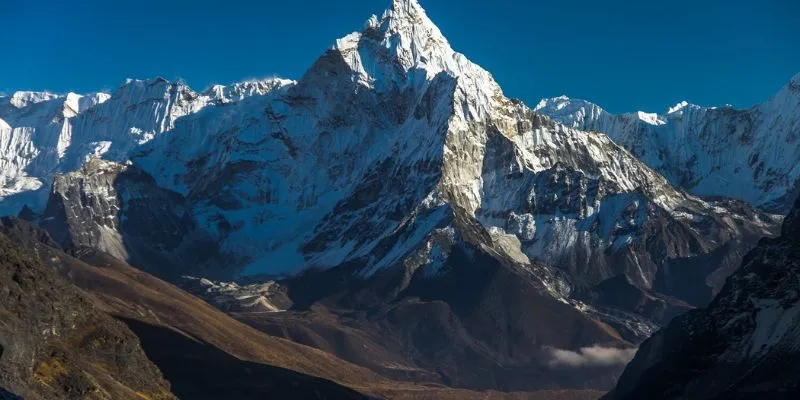
- Today is focused on rest and acclimatization before heading to the high passes. We’ll start with a hike to the Everest View Hotel, which offers stunning views of Mt. Everest, Nuptse, Ama Dablam, and more.
- Next, we’ll descend through an alpine forest to Khumjung Village, visiting the Hillary School, a historic monastery with a Yeti skull, and Khunde Hospital.
- On the way back to Namche Bazaar, we’ll pass a yak farm.
- You can also explore the mountaineering museum, the Sagarmatha Pollution Control Committee (SPCC), and the Sagarmatha National Park office, or simply relax at the hotel.
- We’ll spend the night at a lodge or guesthouse in Namche.
Time
4 - 5 hrs
Max Altitude
3,886 m
- After a successful acclimatization day in Namche, we’ll trek to Tengboche (Altitude: 3,867m). The day begins with a climb to the top of the village near the museum, where the trail ascends to Kenjoma, passing through lovely woodlands high above the Dudh Koshi River.
- Tengboche is famous for its sacred monastery and breathtaking mountain views.
- The trail continues through rhododendron forests from Khumjung to Sansa, then descends to Phunki Thanga (Altitude: 3,250m), where we’ll have lunch at the last teahouse before Tengboche.
- We’ll reach Tengboche in about two hours, trekking along forest trails that offer stunning views of the mountains and landscapes.
- In addition to the majestic Mt. Everest, you can also admire Kwangde, Tawache, Nuptse, Lhotse, Ama Dablam, Kantega, and Thamserku along the way.
- We’ll spend the night at a teahouse or guesthouse in Tengboche.
Time
4 - 5 hrs
Max Altitude
4,410 m
Time
Whole Day
Max Altitude
5,615 m
- his is our second rest day for acclimatization before heading to the high passes.
- After breakfast, we’ll climb to Nangkartshang Peak (Altitude: 5,615m), located at the edge of Dingboche Village, where you can enjoy breathtaking views of some of the world’s highest mountains, including Mount Lhotse (8,516m), Makalu (8,481m), Ama Dablam, Thamserku, Taboche, and more, along with the beautiful Imja Valley and Dingboche Village.
- The ascent to Nangkartshang Peak takes about two hours. After taking some photos, we’ll return to Dingboche (Altitude: 3,820m) for the night.
Time
6 - 7 hrs
Max Altitude
5,500 m
- The walk from Dingboche to Chhukung (Altitude: 5,550m) takes about two to two and a half hours but may feel longer due to lower oxygen levels, helping your body adjust to high elevation.
- In Chhukung, you can relax at the teahouse, hike to Chhukung Ri (Altitude: 5,541m) for panoramic views, or visit the Island Peak base camp.
- Chhukung Ri offers stunning views of Lhotse, Makalu, Nuptse, Island Peak, Barunche, Ama Dablam, Thamserku, and Kwangde.
- The next day, we’ll cross Kongma La Pass (Altitude: 5,535m) and see Imja Lake and Glacier.
- Tonight, prepare for the pass by filling water bottles and stocking up on energy bars, a head torch, and warm clothing.
- We’ll spend the night at a lodge or guesthouse in Chhukung.
Time
5 - 6 hrs
Max Altitude
5,357 m
Time
2 - 3 hrs
Max Altitude
5,167 m
Time
4 - 5 hrs
Max Altitude
4,850 m
Time
4 - 5 hrs
Max Altitude
5,367 m
- Although we've left Everest behind, today offers breathtaking vistas, including views of Mt. Cho Oyu (Altitude: 8,153m), the sixth-highest mountain in the world.
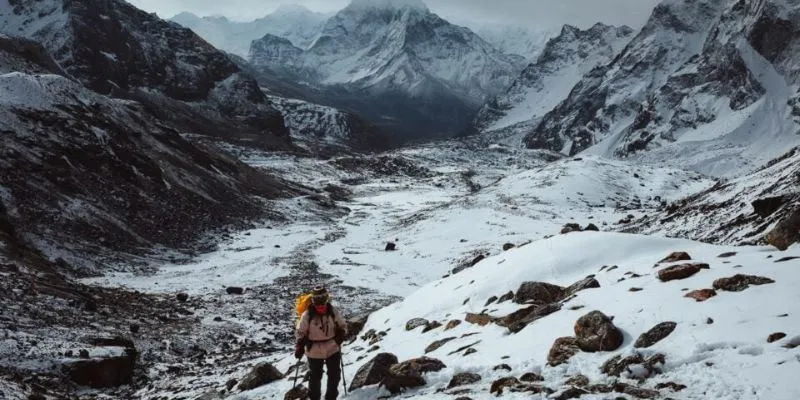
- The trail ascends to Cho La Pass (Altitude: 5,367m), requiring a challenging scramble across rocky boulders and a walk across the slowly ascending, snow-covered glacier.
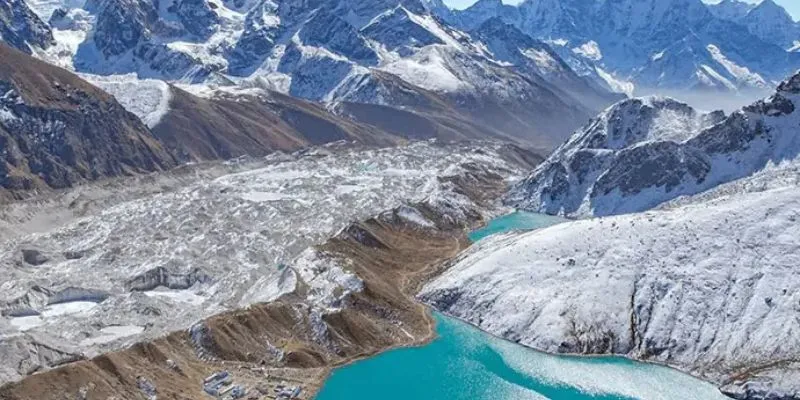
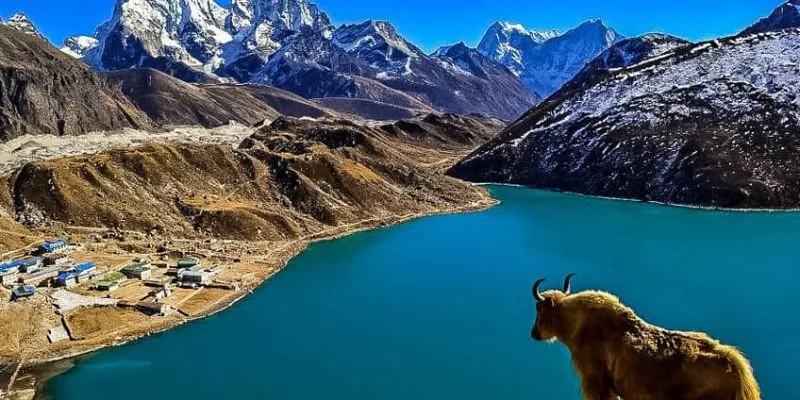
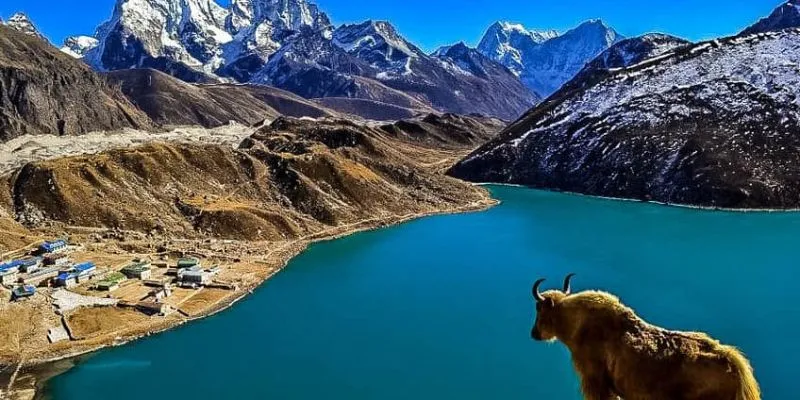
- We then descend through steep, rocky slopes scattered with boulders into the Gokyo Valley, where you'll find turquoise lakes and massive glaciers.
- Finally, we'll ascend a slight incline before following a small river valley downhill to Tangnak (Altitude: 4,700m), a Sherpa community nestled beneath a large rock, where we’ll spend the night.
Time
2 - 3 hours
Max Altitude
5,340 m
- After a late breakfast, we’ll trek through the Nagjumpa Glacier, the largest glacier in the Nepal Himalayas, ascending to the main Gokyo route. Here, you'll see beautiful lakes and may spot Siberian ducks swimming across the mirror-like surfaces.
- From Thangnak, you can reach Gokyo's third lake (Dudh Pokhari) in 2 to 3 hours.
- You can relax at the hotel for the rest of the day or hike up to Gokyo Peak (Altitude: 5,350m) to explore the stunning area.
- This trek offers a once-in-a-lifetime opportunity to experience the breathtaking and remote Himalayan scenery.
- We’ll spend the night in Gokyo (Altitude: 4,750m).
Time
Whole Day
Max Altitude
5,360 m
- Today is a day to relax and explore the beautiful Gokyo Valley.
- We’ll start with an early morning ascent up a challenging trail to Gokyo Ri (Altitude: 5,360m), which takes about two hours.
- From the summit, you'll witness a spectacular sunrise that bathes the mountain peaks in golden light.
- The view includes the four tallest mountains in the world: Mount Everest (Altitude: 8,848m), Cho Oyu (Altitude: 8,153m), Lhotse (Altitude: 8,516m), and Makalu (Altitude: 8,463m), along with stunning vistas of the Ngozumpa Glacier and the turquoise lake in Gokyo Valley.
- These breathtaking sights will create lasting memories.
- After soaking in the views, we’ll walk back to Gokyo for the remainder of the day to relax or explore the fifth lakes and the nearby Cho Oyu Base Camp.
- We’ll spend the night at the tea house.
Time
4 - 5 hrs
Max Altitude
5,360 m
Time
6 - 7 hrs
Max Altitude
3,800 m
- Today, we’ll descend into the Nangpa Valley, which was off-limits to trekkers until 2005, as it served as the main entrance to the pass connecting Nepal and Tibet.
- For decades, Tibetan traders have utilized this route, transporting various Chinese goods on the backs of their yaks for sale at Namche Bazaar.
- In this valley, you’ll find the renowned Thame Monastery, built in the 14th century and attached to a rock face.
- Thame is home to many mountain heroes, including Tenzing Norgay Sherpa, the first person to summit Everest. He was born here and conquered the peak alongside New Zealander Edmund Hillary on May 29, 1953.
- We may have a great opportunity to hear about Everest from Mr. Appa Sherpa, an Everest hero who has climbed it 21 times.
- We’ll spend the night at a tea house/lodge in Thame (Altitude: 3,800m).
Time
1 - 2 hrs
Max Altitude
3,800 m
- In Thame, you’ll encounter other trekkers coming from the Tashi Laptsa route in Rolwaling, as some have started their trek in the opposite direction.
- After breakfast, we’ll trek through juniper and rhododendron forests, passing remote Sherpa settlements like Thamte, Mende, Thamo, and Phurte, gradually descending south toward Namche Bazaar.
- We’ll continue our descent, retracing our steps to Manjo, which takes approximately an hour and a half.
- The rest of the day can be spent enjoying the vibrant atmosphere of Manjo
Time
4 - 5 hrs
Max Altitude
2,860 m
- Today, we’ll trek back to Lukla, descending along the Dudh Koshi River and crossing several bridges.
- It takes about an hour and a half from Monju to reach Phakding Village, where we previously stayed.
- The journey offers beautiful green landscapes, the sound of the rushing river, and colorful prayer flags along the way.
- We’ll enjoy the hospitality and culture of the Sherpa people as we make our way to Lukla, observing local communities and stunning mountain views.
- You’ll have free time to explore the market, and our guide will confirm your flight details for tomorrow.
- On Thursdays, you can visit the local markets in Lukla, where goods are sold for cash or bartered.
- We’ll celebrate the trek's completion with dinner alongside our guide and porters before returning to the hotel for the night.
Time
1 hour
Max Altitude
1,400 m
Time
Whole Day
Max Altitude
1,400 m
- Today marks the end of your trek, and you might take some time to shop for final souvenirs for your family.
- We will provide you with your trekking permits, TIMS cards, and trip application cards as keepsakes from your adventure in Nepal.
- Depending on your flight schedule, our assistant will drive you from the hotel to the airport.
- It's recommended to check in at the airport two to three hours before your flight.
- Depart for your next destination with unforgettable memories from this once-in-a-lifetime experience.
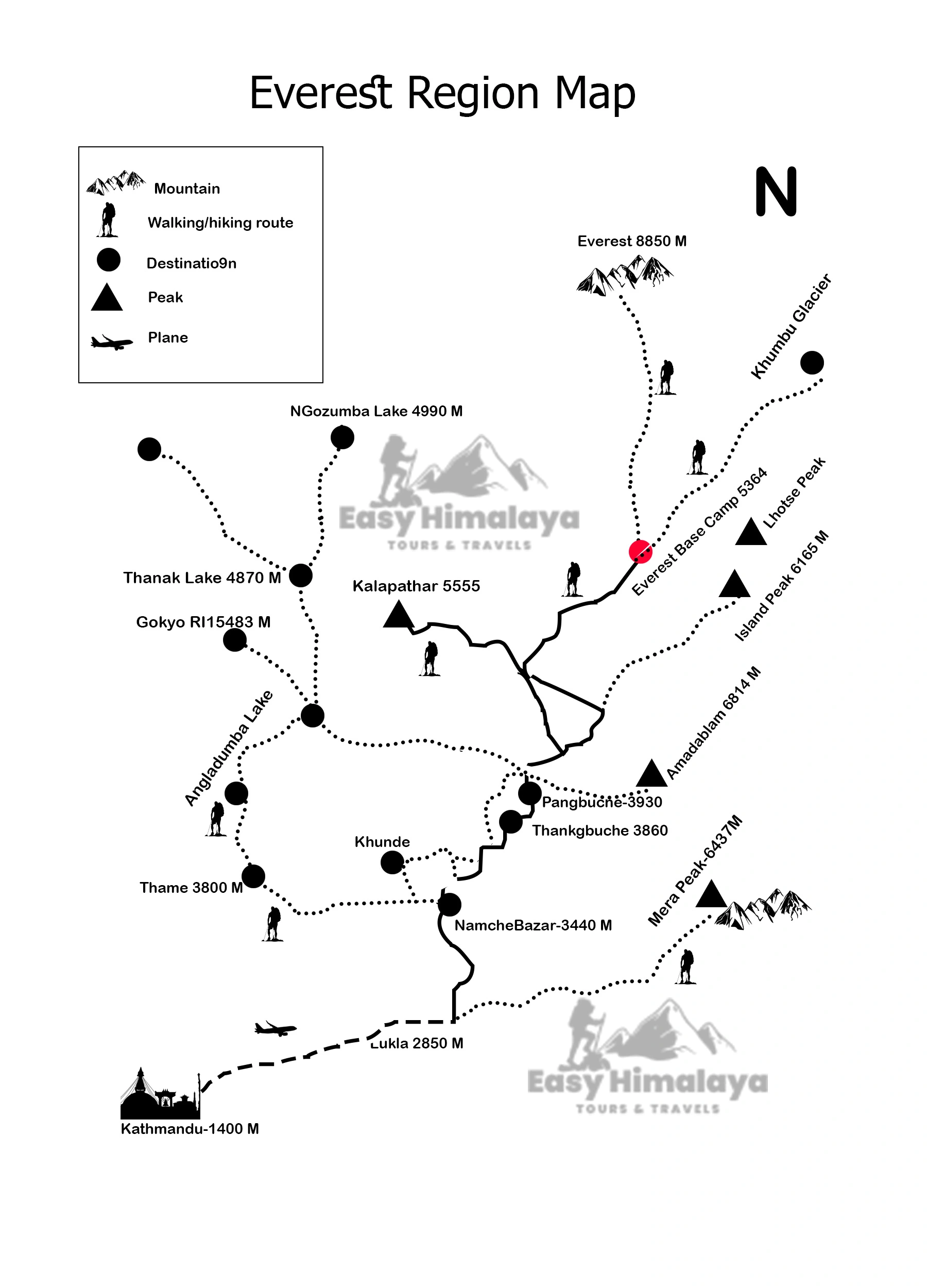
Route Map
Frequently Asked Questions
The Everest Three Pass Trek is considered one of the most challenging treks in the Everest region due to the high altitude and the rugged terrain. Trekkers must cross three high passes—Kongma La (5,535m), Cho La (5,420m), and Renjo La (5,360m)—which require physical stamina and mental preparation. The trek also involves steep ascents and descents, exposure to cold temperatures, and the potential for altitude sickness.
The best times to undertake the Everest Three Pass Trek are during the autumn (September to November) and spring (March to May) seasons. These periods offer the most stable weather, clear skies, and breathtaking mountain views. Autumn is particularly popular for trekking due to the moderate temperatures and festive atmosphere, while spring is known for its blooming flowers and lush greenery.
The trek takes you through Sagarmatha National Park, where you can spot endangered species such as the Himalayan black bear, red panda, snow leopard, and musk deer. The vegetation varies with altitude; above 5,750 meters, plant growth ceases, but you’ll encounter dwarf-sized plants and yak pastures in the lower regions. The diverse birdlife includes 118 different species.
Yes, prior trekking experience is highly recommended for the Everest Three Pass Trek due to its demanding nature. The trek involves crossing high passes at altitudes exceeding 5,000 meters, which can be physically and mentally taxing. Trekkers should be in good physical condition, have experience with high-altitude trekking, and be prepared for the challenges of varying weather conditions and rugged terrain.
You May Love And Like
Related Packages
Explore the world with our handpicked selection of the related and recommned packages.
Himlung Himal Climbing
US$ 7000/pp
US$7000/pp
Manaslu Circuit Trek
US$ 1500/pp
US$1500/pp
Bungee Trip in Pokhara
US$ 270/pp
US$256.5/pp
Kathmandu and Pokhara Tour
US$ 800/pp
US$760/pp
Mardi Himal Trek
US$ 600/pp
US$570/pp
Gosaikunda Trek - 8 Days Adventure
US$ 700/pp
US$665/pp
Bardiya National Park Tiger Safari
US$ 700/pp
US$665/pp
Chitwan National Park Jungle Safari
US$ 650/pp
US$617.5/pp
Langtang Valley Trek
US$ 1000/pp
US$950/pp
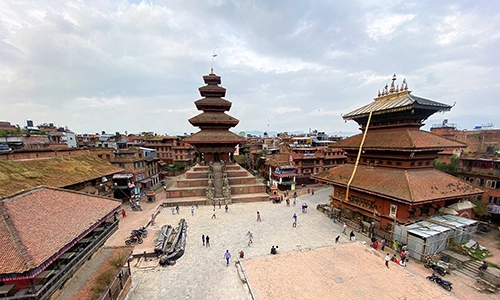
UNESCO World Heritage Sites Sightseeing
US$ 450/pp
US$427.5/pp
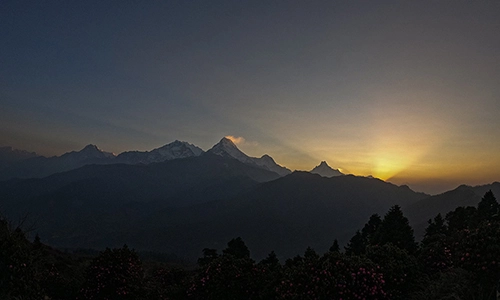
Ghorepani Poon Hill Trek
US$ 1000/pp
US$950/pp
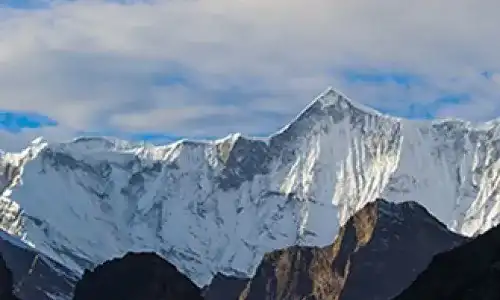
Nar Phu Valley Trek 11 Days
US$ 1320/pp
US$1254/pp
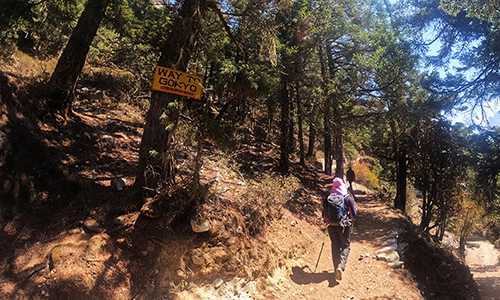
Gokyo Cho La Pass Trek
US$ 2145/pp
US$2037.75/pp
Annapurna Base Camp Trek
US$ 1400/pp
US$1330/pp
Everest Three Pass Trek
US$ 2910/pp
US$2764.5/pp
Everest Base Camp Trek
US$ 2000/pp
US$2000/pp
Upper Mustang Trek
US$ 2850/pp
US$2707.5/pp
Annapurna Circuit Trek
US$ 1650/pp
US$1485/pp
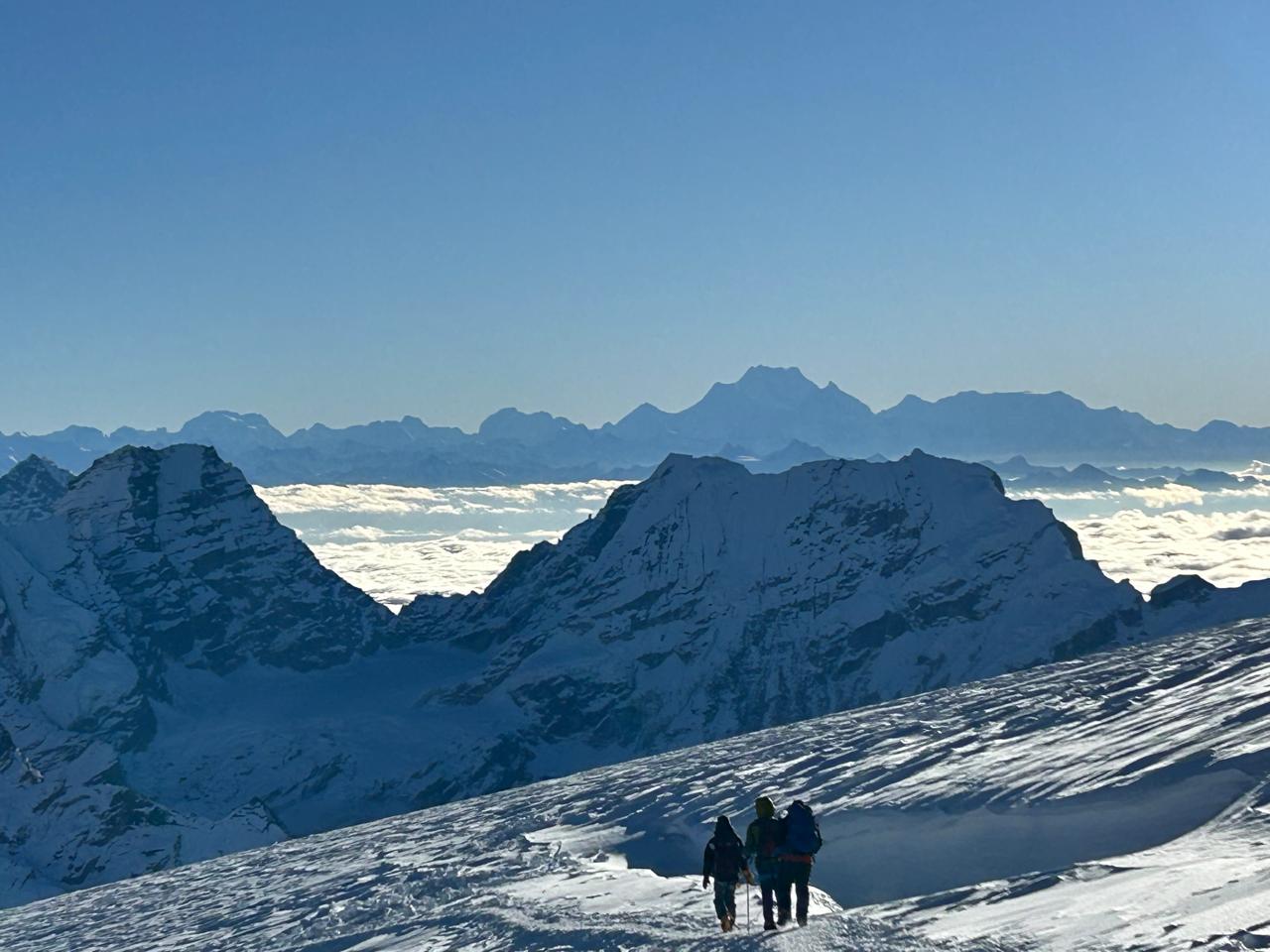
Mera peak climbing (6,476 m)
US$ 3000/pp
US$3000/pp
LOBUCHE EAST PEAK CLIMBING WITH EVEREST BASE CAMP TREK
US$ 2800/pp
US$2800/pp
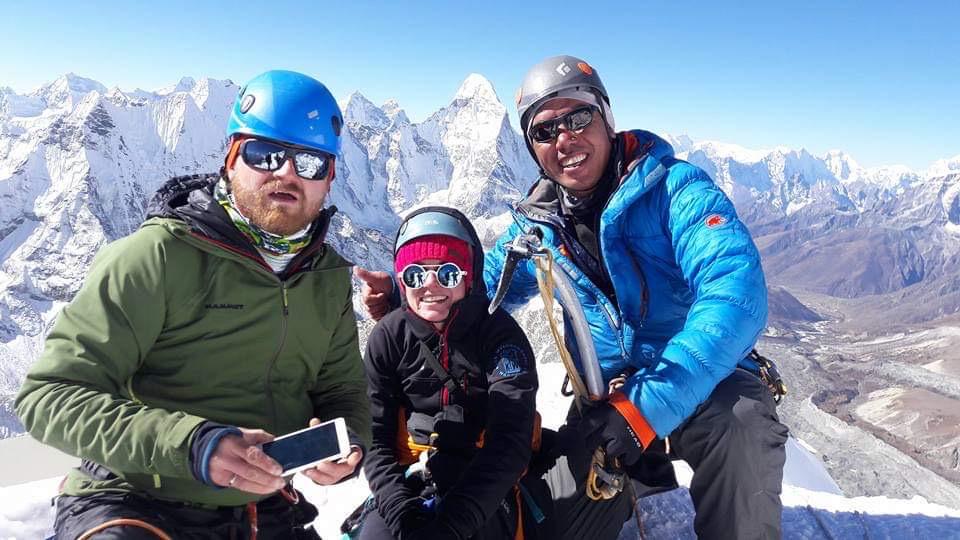
ISLAND PEAK CLIMBING 6,189 meters (20,305 feet)
US$ 2800/pp
US$2800/pp
Three Peaks Climbing
US$ 5500/pp
US$5500/pp
Yala peak climbing
US$ 2000/pp
US$2000/pp
Ama Dablam Expedition
US$ 9500/pp
US$9500/pp
Baruntse Expedition (7,129m)
US$ 8500/pp
US$8500/pp
Chulu peak climbing
US$ 3500/pp
US$3500/pp
Verified Customer Reviews
David
Business Inquiry
David
Business Inquiry