
- Climb Mera Peak (6,476 m)
- Nepal’s highest trekking peak.
- Begin your adventure with one of the world’s most thrilling mountain flights.
- Experience breathtaking Himalayan views of Everest, Lhotse, Makalu, Cho Oyu, and Kanchenjunga while trekking through the remote and stunning Hinku Valley.
- Enjoy Sherpa hospitality, Buddhist monasteries, and stunning alpine landscapes throughout the journey.
- A great introduction to mountaineering with professional guides and essential training before summit push.
A
L
P
I
N
E
SHERPA CLUB

Alpine Sherpa Club
Alpine Sherpa Club is a Nepal travel agency offering safe, authentic, and personalized Himalayan treks and tours led by expert local Sherpas.
- info@alpinesherpaclub.com
-
- +977 9749749991
-
- Kharibot - Kapan, Kathmandu
View
View
View
View
View
View
×

Itinerary
Time
o
Max Altitude
1,300m/4,265ft
Your adventure begins with your arrival in Kathmandu, the vibrant capital of Nepal. On a clear day, enjoy breathtaking panoramic views of the snow-capped Himalayan peaks as you fly into the Kathmandu Valley.
After completing the visa formalities and collecting your luggage, proceed through the terminal exit, where one of our representatives will be waiting for you with a signboard displaying Alpine sherpa club. You will then be transferred comfortably to your hotel in our private tourist vehicle.
Upon arrival at the hotel, our staff will warmly welcome you and assist you with check-in. You can then settle into your room, relax, and recover from your journey. The rest of the day is free to rest or explore Kathmandu at your own pace.
Time
o
Max Altitude
1,300m/4,265ft
Today is the final preparation day before your adventure begins.Our company team will meet you at your hotel and give you important information about the trek or expedition. We will also complete the necessary paperwork, permits, and other arrangements for your trip.
Before leaving Kathmandu, we will check your climbing and trekking equipment to make sure everything is ready. If you need any extra gear, our team can help you buy or rent it in Kathmandu.
You will also have some free time to relax or explore Kathmandu Valley. If you are interested, we can arrange a sightseeing tour to visit some of the city's famous cultural and historical places.
Time
4 to 5 hours
Max Altitude
2,730m/8,956ft
Flying from Manthali to Lukla
During the busy trekking seasons of spring (April–May) and autumn (October–November), flights to Lukla usually operate from Manthali Airport in Ramechhap because of increased air traffic at Kathmandu Airport.
We will pick you up from your hotel in Kathmandu around 1:00 AM and drive for about five hours to Manthali Airport. From there, we take a short flight of around 20 minutes to Lukla. The flight offers beautiful views of the hills and mountains.
Flying from Kathmandu to Lukla
During the quieter seasons, generally December–February and June–August, flights can operate directly from Kathmandu to Lukla.
We will take you to the domestic airport early in the morning for your flight. The flight takes around 40 minutes and provides stunning views of the Himalayan mountains, including Mount Everest, Lhotse, and Cho Oyu.
Lukla to Paiya
After landing at Lukla, we meet our trekking team and begin our first day on the trail. From Lukla, we walk downhill to Surke (2,300 m), following the Dudh Koshi River.
Surke is also known as the birthplace of Pasang Lhamu Sherpa, the first Nepali woman to reach the summit of Mount Everest in 1993.
From Surke, we continue along the old Jiri-to-Everest trail, passing through green hills, small villages, and terraced farmland. The trail gradually climbs toward Pakhepani (2,560 m). During spring, the route is especially beautiful with colorful rhododendron flowers.
During the monsoon season, some parts of the trail may be muddy and slippery, so we take our time and walk carefully.
We finally reach Paiya (2,730 m / 8,956 ft), where we spend the night. From the village, you can enjoy beautiful views of Kongde Ri, Khatang, Tang, and other impressive Himalayan peaks.
Time
6 to 7 hours
Max Altitude
2,850m/9,350ft
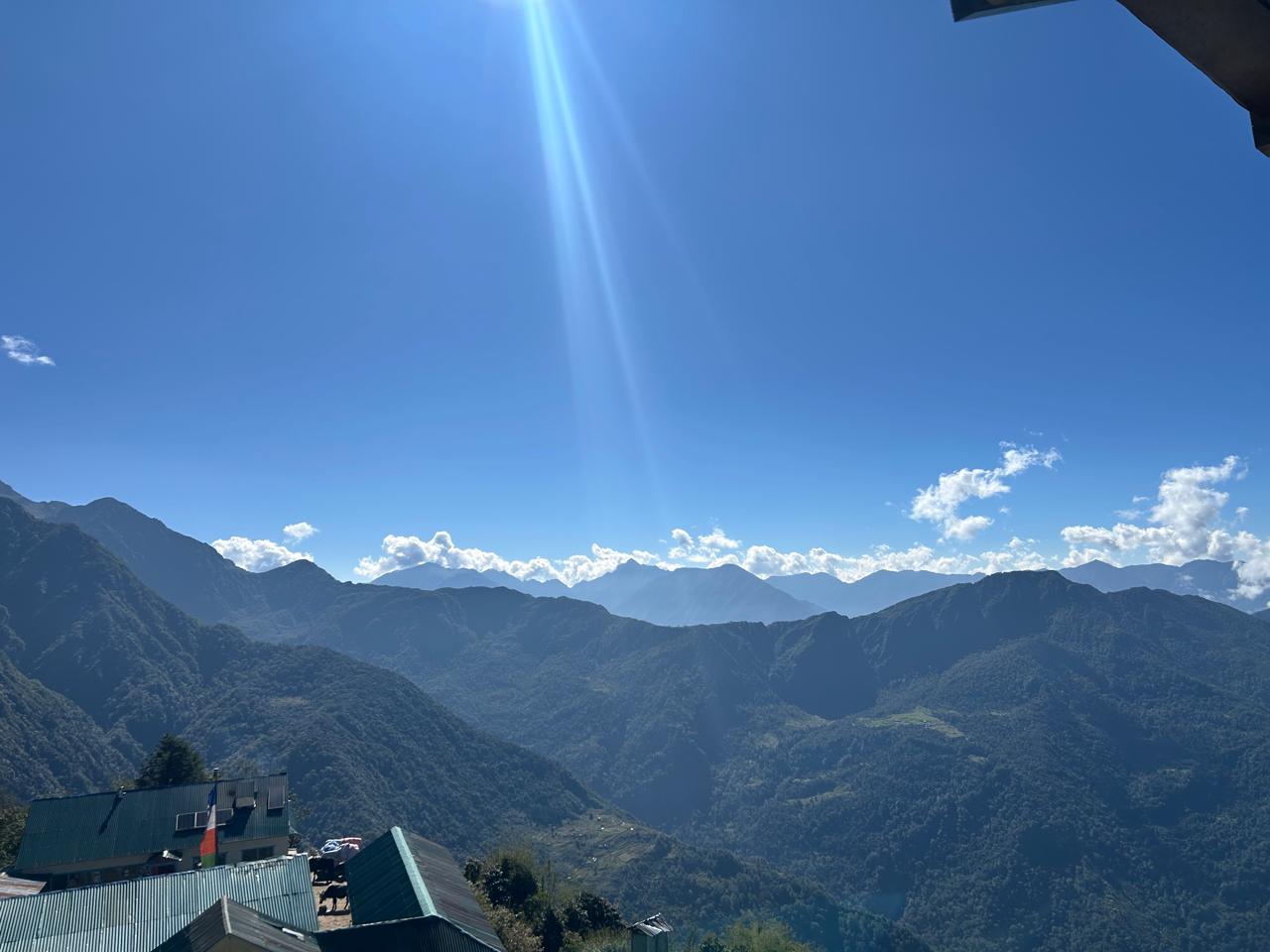
After breakfast, we leave Paiya and begin our trek toward Panggom. The trail starts with a gentle walk through beautiful rhododendron and oak forests, making this section peaceful and refreshing.
We gradually climb up to a ridge and then descend toward the Khari Khola Valley. Along the way, you will walk through dense forests, cross small streams, and pass several beautiful waterfalls. Keep your eyes open for colorful birds, monkeys, and, if you're lucky, deer.
The trail continues through quiet mountain villages and farmland, giving you a chance to see the simple lifestyle of local people. There are also many beautiful places along the route where you can stop, rest, and take photos of the surrounding hills and forests.
After several hours of walking, we make the final climb toward Panggom (2,850 m / 9,350 ft). The village is a peaceful mountain settlement with a small monastery and beautiful views of the surrounding landscape.
We spend the night in Panggom and prepare for the next exciting day of our trek.
Time
6 to 7 hours
Max Altitude
3,276m/10,748ft
Today is another beautiful day on the trail as we trek from Panggom to Ramailo Danda. After breakfast, we begin with a steady climb toward Panggongma La (3,174 m), a high mountain pass that separates the Dudh Koshi and Hinku Khola valleys.
From the pass, we get our first beautiful view of Mera Peak (6,476 m). We then make a steep descent toward Sibuje (2,770 m). The trail continues through quiet forests and along the river valley, with a few ups and downs, until we reach Ningsow (2,850 m).
From Ningsow, the trail becomes steeper as we climb toward Ramailo Danda. The climb can be challenging, but the beautiful mountain scenery makes it worthwhile.
After reaching Ramailo Danda (3,276 m / 10,748 ft), we can enjoy spectacular views of Mera Peak (6,476 m) and Naulekh (6,240 m). We spend the night at a local teahouse, surrounded by peaceful mountain views.
Time
6 to 7 hours
Max Altitude
3,122m/ 10,242ft
After breakfast, we leave Ramailo Danda and continue our journey toward Chhatra Khola. We start the day with a gradual climb to the highest point of the day at around 3,350 m.
From there, the trail goes downhill through the beautiful forests of Makalu Barun National Park. We walk along a quiet mountain trail with views of the surrounding hills and the Tama Khola River. We will stop along the way for lunch and take a short rest.
After lunch, we continue walking through peaceful bamboo and rhododendron forests. The trail then joins the Pasang Lhamu Trail, which leads us toward Chhatra Khola.
As we get closer to the village, we cross the river using a traditional wooden bridge. We then make our way to Chhatra Khola (3,122 m / 10,242 ft), where we stay overnight at a local teahouse.
It is a peaceful day of trekking, with beautiful forests, rivers, and mountain scenery along the way.
Time
6 to 7 hours
Max Altitude
3,600m /11,811 ft
After breakfast, we continue our trek toward Kothe. Today’s trail takes us through peaceful bamboo and fir forests, with several gentle climbs and descents along the way.
We cross a few small streams and enjoy the fresh mountain air as we walk deeper into the forest. Along the route, we reach Takhto Village, where we stop for lunch and take some time to rest.
After lunch, we continue through the quiet forest for a few more hours. As we get closer to the Inkhu Khola River, the landscape begins to change. The dense forest becomes more open, and the trail enters a wide, rocky valley surrounded by impressive mountains.
We finally reach Kothe (3,600 m / 11,811 ft), where we stay overnight at a local teahouse. This is a beautiful section of the trek and gives us our first close feeling of the high Himalayan landscape.
Time
6 to 7 hours
Max Altitude
4,356m/14,291 ft
Today, we leave Kothe and continue our Mera Peak trekking journey toward Thangnak. The trail follows the west side of the Hinku Valley and gradually takes us into a higher and more open mountain landscape.
As we walk north, the forests become thinner and eventually disappear. The valley becomes wider, with open grazing areas where local people bring their yaks, sheep, and goats during the summer months. Along the way, we can enjoy beautiful views of Kusum Kanguru and the impressive mountains surrounding the Hinku Valley.
We stop at Gondishung for lunch. This traditional summer grazing area has simple stone shelters and old stone walls used by local herders. Nearby, you can see a beautiful mani wall with carved Buddhist prayer stones.
After lunch, we continue toward a small and historic 200-year-old Buddhist gompa, built beneath a large rock. This peaceful place is an important part of the local culture. We can take some time to visit the gompa and enjoy the spiritual atmosphere before continuing our trek.
From the gompa, we walk for about an hour across a rocky trail and moraine landscape before reaching Thangnak (4,356 m / 14,291 ft), a traditional yak herders' settlement.
Thangnak now has several comfortable teahouses for trekkers and climbers. We will spend at least two nights here for acclimatization, giving our bodies enough time to adjust to the high altitude before continuing toward Khare and Mera Peak Base Camp.
Time
2 to 3 hours
Max Altitude
4,356m/14,291 ft
Altitude: 4,356 m / 14,291 ft
Today is an important acclimatization day during our Mera Peak climbing journey. We take a break from the long trek to allow our bodies to adjust to the high altitude before moving toward Khare and Mera Peak Base Camp.
For our acclimatization hike, we can walk up the nearby ridge toward Shartemba Go, reaching an altitude of over 5,000 m. The climb gives us excellent views of Kusum Kanguru, the Hinku Valley, and the route toward Mera La. We then return to Thangnak to spend the night at the same altitude.
Why Acclimatization Is Important
Proper acclimatization is an important part of Mera Peak climbing. As we go higher, the air becomes thinner and contains less oxygen. Taking enough time to adjust helps make the trek safer and more comfortable.
Here are some simple tips for good acclimatization:
- Hike high, sleep low: Walk to a higher altitude during the day and return to a lower altitude to sleep.
- Walk slowly: Take your time and avoid rushing. Your body needs time to adjust.
- Drink plenty of water: Stay hydrated with water, tea, soup, and other warm drinks.
- Listen to your body: Headache, dizziness, nausea, or unusual tiredness can be signs that your body is not adjusting well. Tell your guide immediately if you feel unwell.
- Get enough rest: A good night's sleep and regular breaks will help you save energy for the days ahead.
Time
3 to 4 hours
Max Altitude
5,045m/ 16,551 ft /
Today, we continue our Mera Peak climbing adventure from Thangnak to Khare, also known as the Mera Peak Base Camp area. It is a short but important day as we move higher into the Himalayas.
After breakfast, we follow the trail along the Dig Glacier. The walk is mostly easy at first, with the valley becoming wider as we move forward. Along the way, we enjoy beautiful views of the Hinku Nup Glacier and the impressive Himalayan peaks surrounding the valley.
As we get closer to Khare, the trail becomes steeper. We take our time and walk at a comfortable pace to help our bodies adjust to the increasing altitude.
After reaching Khare (5,045 m / 16,551 ft), we can rest and enjoy the spectacular mountain scenery. If you still have enough energy, your guide may take you on a short acclimatization walk up the ridge above the village. From there, you can get excellent views of the Mera Glacier, Mera Peak, and the route we will follow the next day.
Khare is an important stop before heading higher toward Mera Peak Base Camp and Mera La. We spend the night here and prepare for the exciting days ahead.
Time
o
Max Altitude
5,045m/ 16,551 ft
Today is an important acclimatization and preparation day in Khare before we continue toward Mera Peak. We take time to rest, adjust to the high altitude, and prepare for the upcoming climb.
During the day, our experienced climbing guide will provide a short briefing and help you practise basic climbing skills. Depending on the weather and your energy level, we may also take a short hike around Khare to help your body adjust to the altitude.
We will also check your climbing equipment and make sure everything is ready for the higher sections of the Mera Peak climb. Our guide will explain what to expect during the climb and answer any questions you may have.
Take Care of Your Body
At an altitude of over 5,000 m, it is normal to feel more tired than at lower elevations. Take your time, drink plenty of water, eat well, and get enough rest.
If you experience symptoms such as headache, dizziness, nausea, unusual tiredness, or difficulty breathing, tell your guide immediately. Your safety is our priority, and our experienced team will decide the safest next step based on your condition and the mountain weather.
After completing our preparation, we rest in Khare and get ready for the exciting climb toward Mera Peak Base Camp and the summit.
Time
3 to 4 hours
Max Altitude
5,350m/17,552 ft
Today, we leave Khare and continue toward Mera Peak Base Camp, one of the most exciting stages of our Mera Peak climbing adventure. As we move higher, the landscape becomes more rugged and the mountain scenery becomes even more impressive.
We begin by climbing the ridge above Khare and then cross a rocky trail toward the Mera Glacier. The walk takes around two hours, and the trail gradually changes from rocky ground to a more remote and alpine environment.
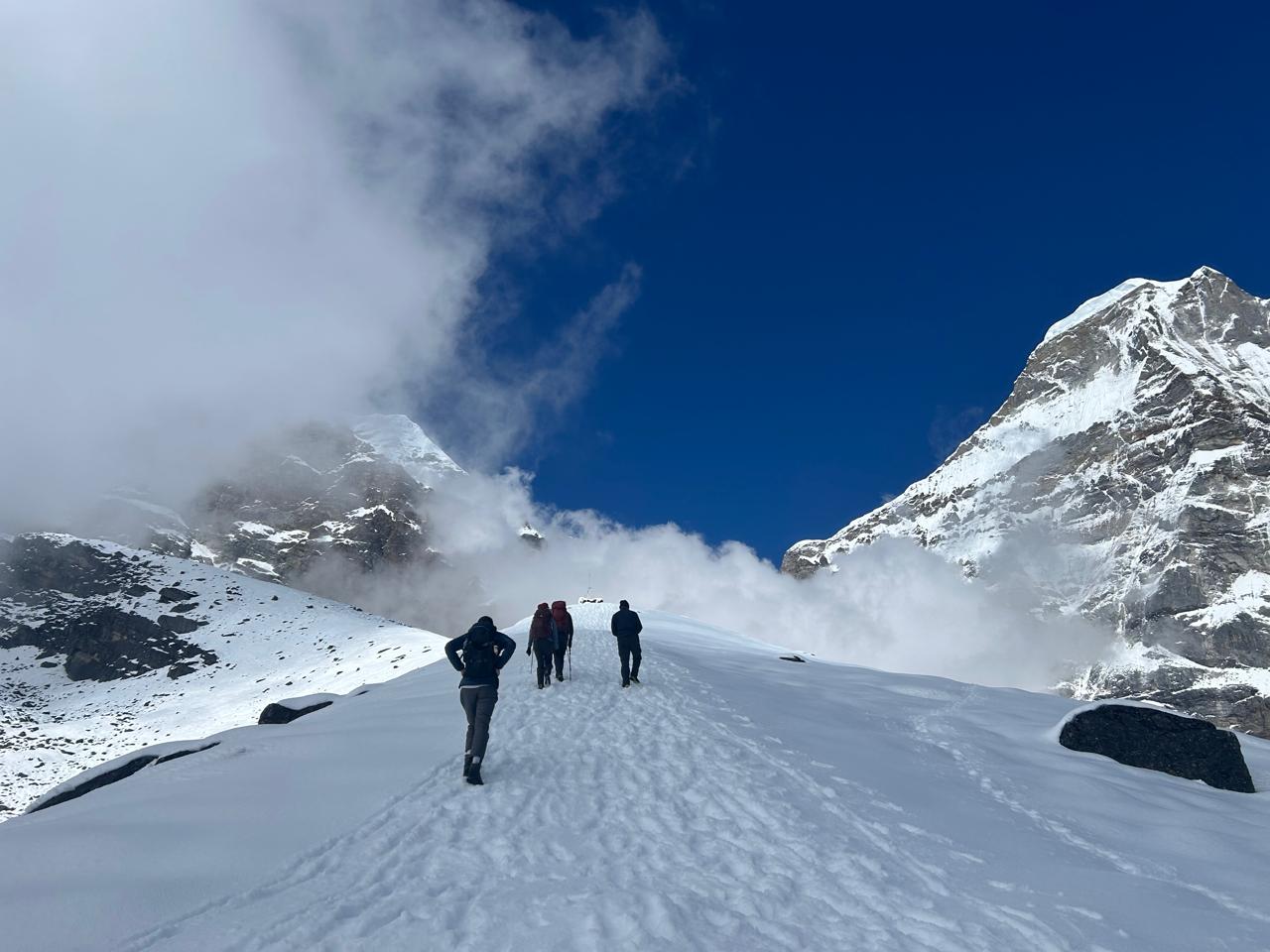
As we reach higher elevations, we may encounter snow and ice. Our climbing guide will help us use the necessary equipment, including crampons, and explain how to walk safely on the icy sections.
We continue at a steady and comfortable pace, surrounded by spectacular views of the Himalayan peaks and glaciers. After several hours of trekking, we reach Mera Peak Base Camp at around 5,350 m / 17,552 ft.
At Base Camp, we set up our camp and take time to rest and enjoy the incredible mountain surroundings. This is an important point in the Mera Peak expedition, as we are now getting very close to the higher climbing sections and the summit.
Overnight at Mera Peak Base Camp.
Time
4 to 5 hours
Max Altitude
5,780m/18,963 ft
Today is an exciting day of our Mera Peak climbing expedition as we leave Base Camp and make our way toward Mera High Camp. We start early and climb steadily toward Mera La, a high mountain pass with incredible Himalayan views.
The climb is steep in some sections, so we take our time and follow the guidance of our experienced climbing team. As we reach Mera La, we are rewarded with breathtaking panoramic views of some of the world's highest mountains, including Mount Everest, Makalu, Kanchenjunga, Cho Oyu, Lhotse, Nuptse, Chamlang, and Baruntse.
After enjoying the views and taking a short rest, we continue across the rocky slopes toward Mera High Camp. The trail becomes more challenging as we gain altitude, but our team will maintain a steady pace and provide support throughout the climb.
After around four hours of climbing, we reach Mera High Camp at 5,780 m / 18,963 ft. We settle into camp, rest, and prepare our climbing equipment for the summit attempt.
This is one of the most important nights of the Mera Peak expedition, as we will make our summit attempt early the following morning.
Overnight at Mera High Camp.
Time
9 to 10 hours
Max Altitude
6,476m/21,246ft
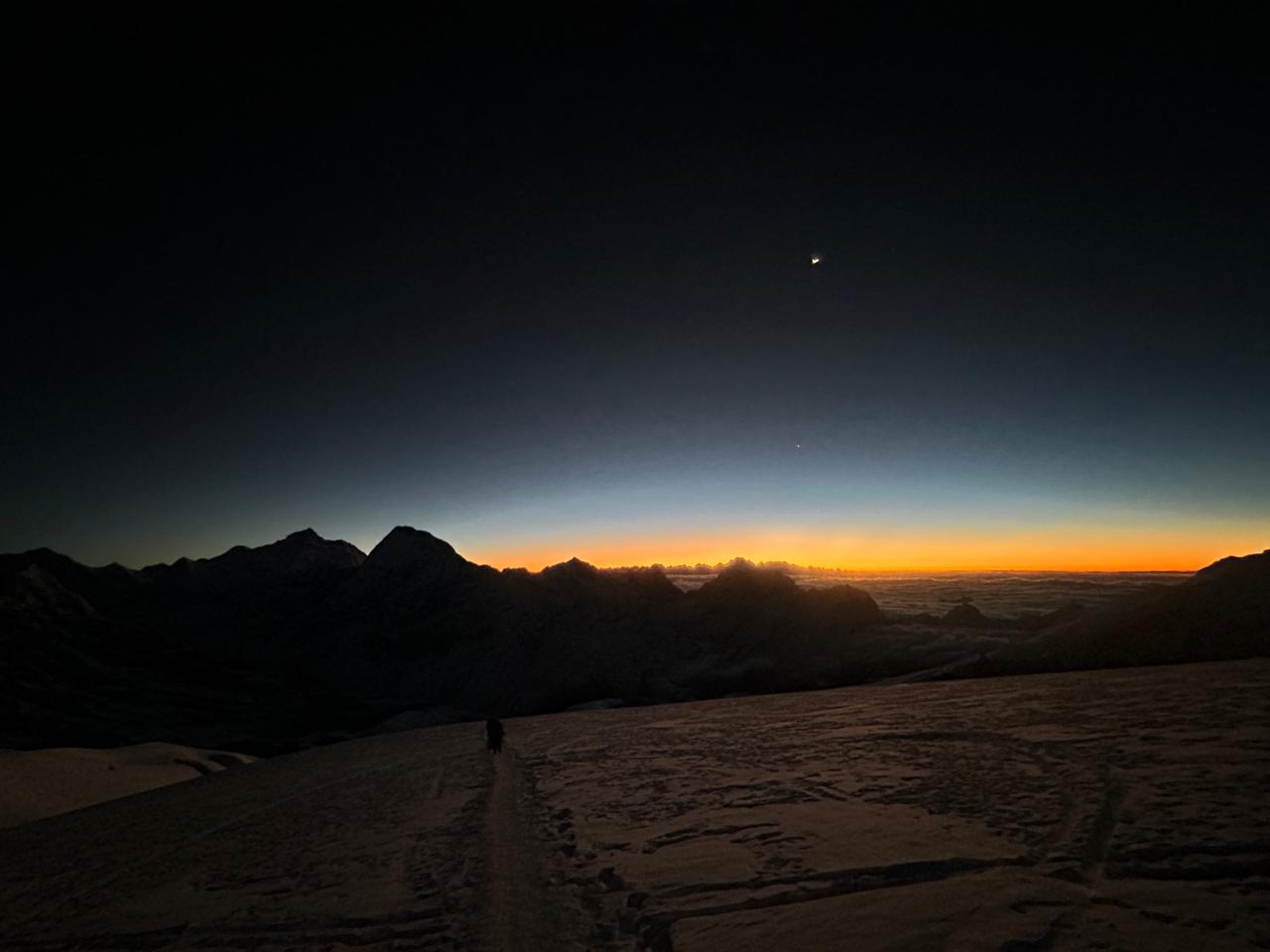
Today is the main day of our Mera Peak climbing adventure. We wake up very early, usually before sunrise, and begin our summit climb while the weather and snow conditions are often more suitable.
From Mera High Camp, we start climbing slowly across snow and icy terrain toward the summit of Mera Peak (6,476 m / 21,246 ft). The climb can be physically demanding because of the high altitude, so we maintain a steady pace and take regular short breaks.
Depending on the conditions, we may use crampons, ropes, and ice axes. Our experienced climbing guide will lead the group and provide instructions on how to move safely through the steeper and more challenging sections.
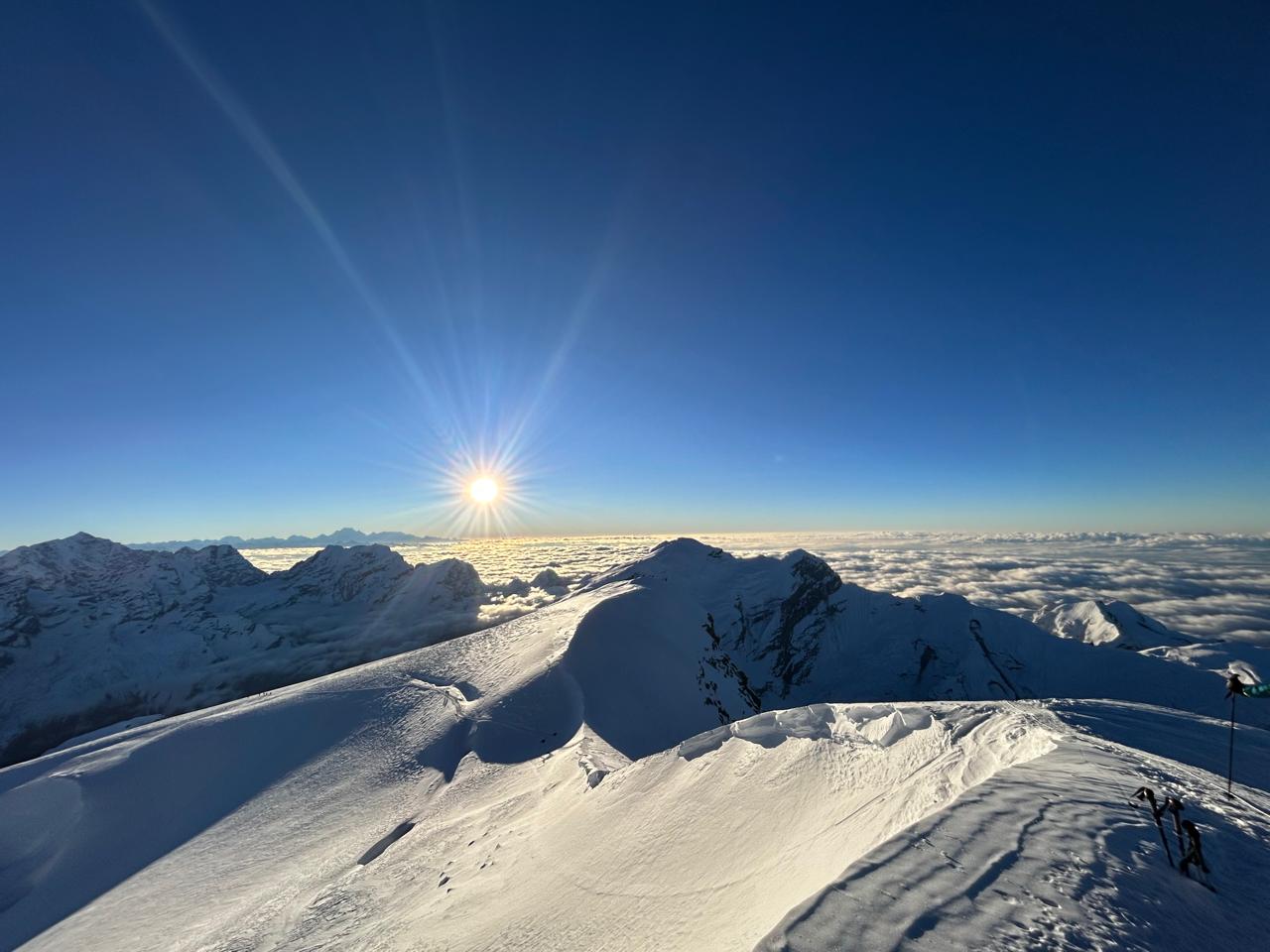
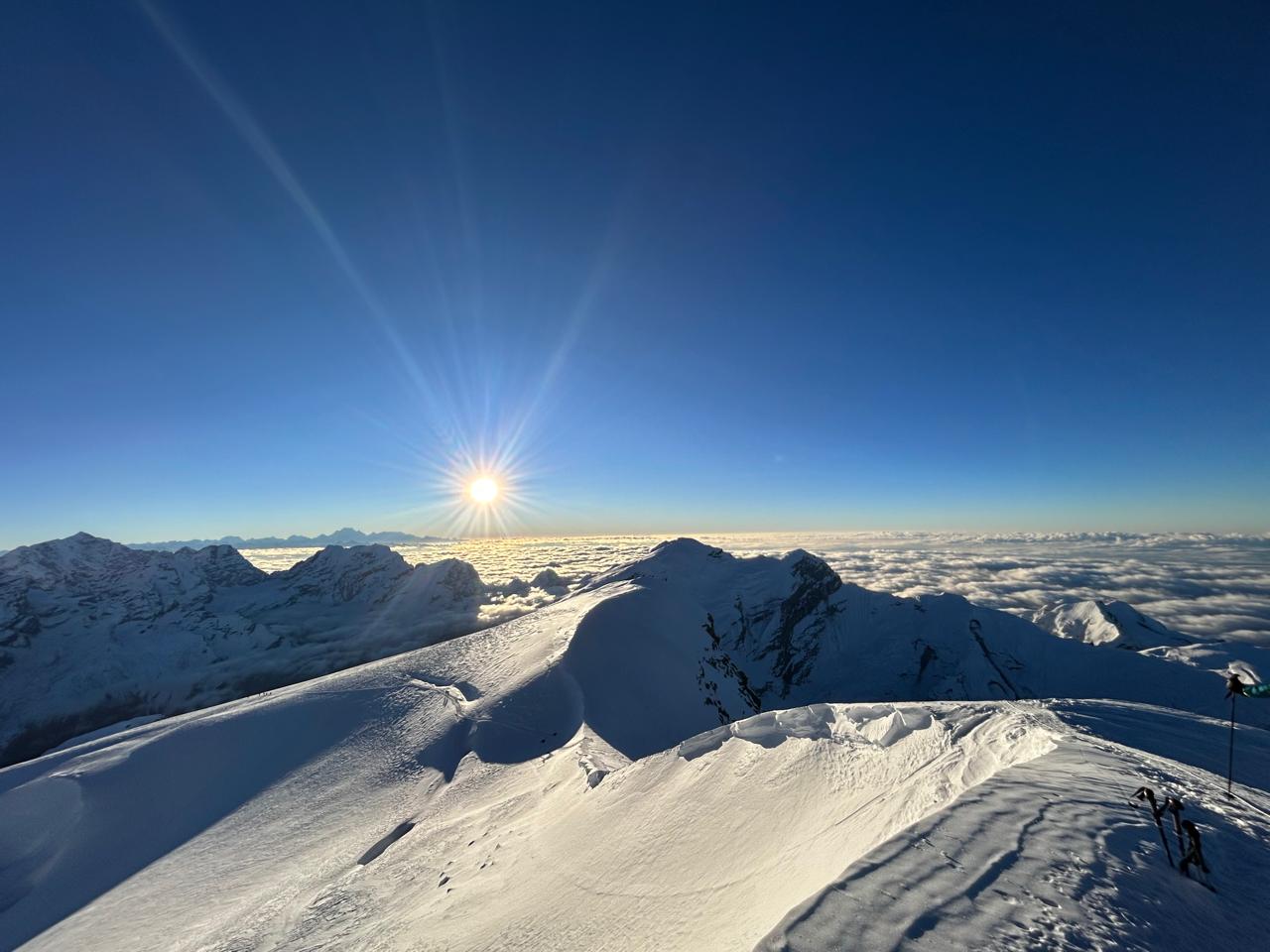
After several hours of climbing, we reach the summit of Mera Peak. Standing at 6,476 meters above sea level is an incredible achievement and a moment you will remember for a lifetime.
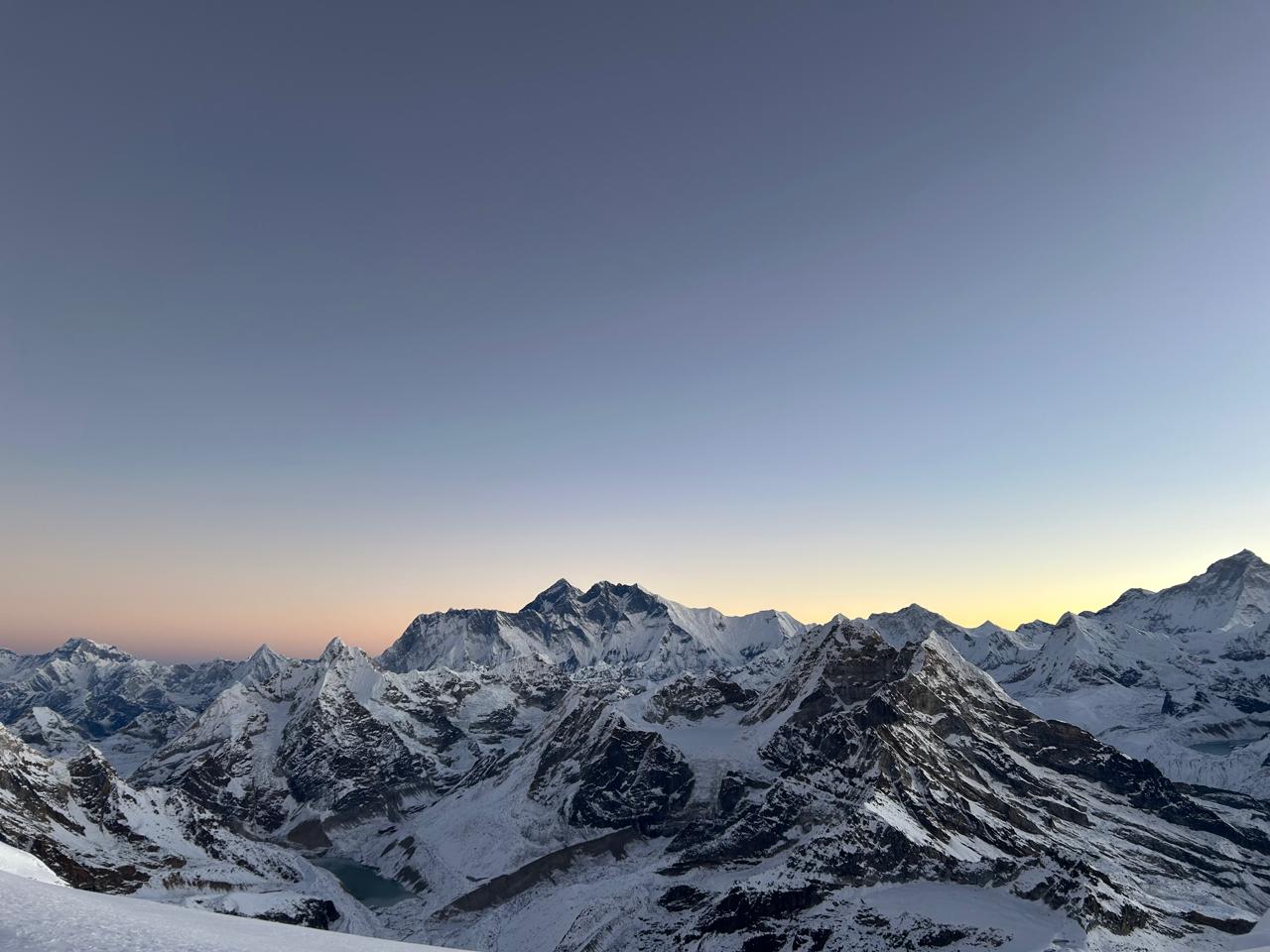
From the summit, you can enjoy spectacular panoramic views of some of the world's highest mountains, including Mount Everest, Kanchenjunga, Lhotse, Makalu, and Cho Oyu, along with many other Himalayan peaks.
After spending some time at the summit and taking photographs, we begin our descent. Going down requires just as much care as climbing up, especially on snow and icy sections. We return to Mera High Camp and continue down toward Khare, where we rest after this challenging and rewarding day.
Overnight in Khare.
Time
0
Max Altitude
0
Time
6 to 7 hours
Max Altitude
3,600m /11,811 ft
After completing our Mera Peak summit, we begin our descent through the beautiful Hinku Valley toward Kothe. Today is mainly a downhill trek, giving us a chance to enjoy the changing mountain scenery as we gradually return to lower altitudes.
The trail follows a rocky and sometimes uneven path through the valley. Some sections of the rocky moraine can be challenging, so we walk carefully and follow the guide's instructions, especially on loose or steep ground.
As we descend, the landscape becomes greener and the air feels more comfortable. We pass through quiet mountain forests and enjoy the peaceful surroundings of the Hinku Valley.
After around 6–7 hours of trekking, we reach Kothe (3,600 m / 11,811 ft). Here, we can relax, enjoy a warm meal, and recover after the demanding days of Mera Peak climbing.
Overnight in Kothe.
Time
6 to 7 hours
Max Altitude
4,200m/13,779ft
After completing our Mera Peak climb, we continue our journey toward Thuli Kharka, also known as Chhatrwabuk. Today, we leave the Hinku Valley and climb toward the open mountain slopes on the western side of the river.
The trail includes a steady and sometimes steep climb of around 600 meters. We follow a winding rocky path through beautiful rhododendron forests, with several ups and downs along the way.
During spring, the rhododendron forests come alive with colorful flowers, making this section of the trek especially beautiful. As we climb higher, the forest opens up and we can enjoy wide views of the surrounding Himalayan mountains.
The peaceful mountain environment and fresh air make this a wonderful section of the Mera Peak trekking route. We take regular breaks to enjoy the scenery, take photographs, and recover from the climb.
After around 6–7 hours of trekking, we reach Thuli Kharka (4,200 m / 13,779 ft), where we spend the night at a local teahouse.
Overnight in Thuli Kharka (Chhatrwabuk).
Time
6 to 7 hours
Max Altitude
2,800m/ 9,186 ft
Today is our final day of trekking on the Mera Peak climbing route. After breakfast, we leave Thuli Kharka and begin the climb toward Zatrwa La Pass (4,610 m / 15,120 ft).
The climb to the pass is steep in some sections, but reaching the top is a rewarding moment. From Zatrwa La, we can look back toward the beautiful Hinku Valley and the mountains we have crossed during our journey. It is also a great place to take photographs and remember our Mera Peak adventure.
We then begin our descent toward the Dudh Koshi Valley. Some parts of the trail can be rocky, steep, or icy, so we walk carefully and follow the guidance of our trekking team.
As we descend, the landscape changes from high mountain terrain to green forests, farmland, and small settlements. After several hours of walking, we finally reach Lukla (2,800 m / 9,186 ft).
Lukla feels lively and busy after spending many days in the peaceful Himalayas. In the evening, we celebrate the successful completion of our trek with our guides and trekking crew, enjoying a warm meal and sharing memories from our Mera Peak expedition.
Overnight in Lukla.
Time
o
Max Altitude
1,300m/4,265ft
Today, we say goodbye to the mountains and fly back to Kathmandu, marking the end of our Mera Peak climbing adventure.
Flight from Lukla to Kathmandu
During the quieter travel seasons, generally December–February and June–August, flights can operate directly from Lukla to Kathmandu.
The flight takes around 40 minutes and offers one last opportunity to enjoy beautiful views of the Himalayan mountains. After landing at Kathmandu Domestic Airport, our private tourist vehicle will transfer you to your hotel.
Flight from Lukla to Manthali
During the busy trekking seasons of spring (April–May) and autumn (October–November), flights usually operate between Lukla and Manthali Airport in Ramechhap due to increased air traffic at Kathmandu Airport.
The flight from Lukla to Manthali takes approximately 17–20 minutes. During the flight, you can enjoy beautiful views of the hills and snow-covered Himalayan peaks.
After landing at Manthali Airport, we begin the drive back to Kathmandu. The journey usually takes around 5–6 hours, depending on road and traffic conditions.
Once we arrive in Kathmandu, you can check into your hotel, relax, and enjoy some free time after your Mera Peak expedition.
Overnight in Kathmandu.
Time
o
Max Altitude
o
Time
o
Max Altitude
o
Route Map
Frequently Asked Questions
The best seasons are Spring (March–May) and Autumn (September–November). Winter is very cold, and monsoon season (June–August) is not recommended due to heavy rainfall and snow.
You May Love And Like
Related Packages
Explore the world with our handpicked selection of the related and recommned packages.
Himlung Himal Climbing
US$ 7000/pp
US$7000/pp
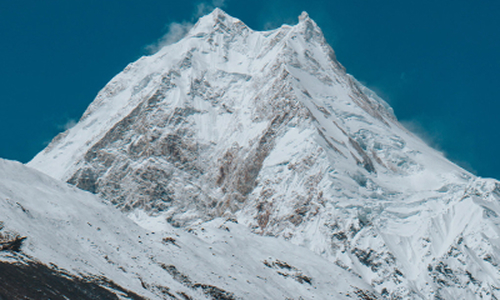
Manaslu Circuit Trek
US$ 1500/pp
US$1500/pp
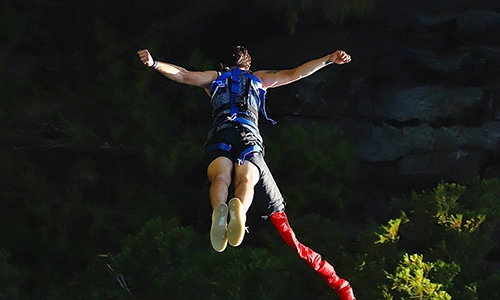
Bungee Trip in Pokhara
US$ 270/pp
US$256.5/pp
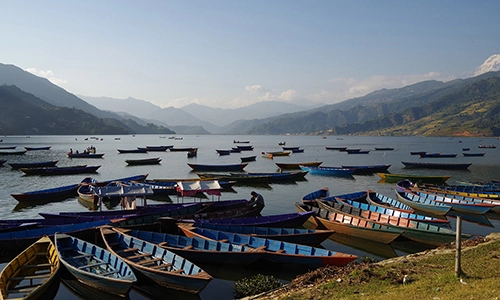
Kathmandu and Pokhara Tour
US$ 800/pp
US$760/pp
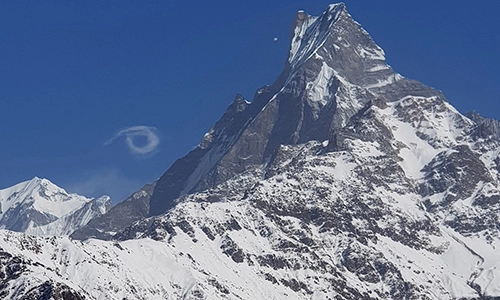
Mardi Himal Trek
US$ 600/pp
US$570/pp
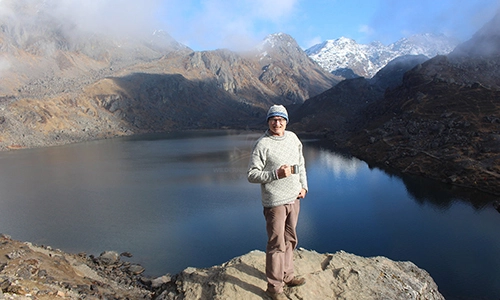
Gosaikunda Trek - 8 Days Adventure
US$ 700/pp
US$665/pp
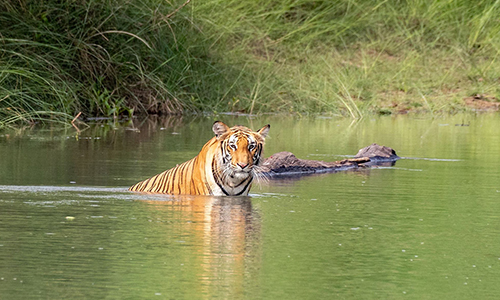
Bardiya National Park Tiger Safari
US$ 700/pp
US$665/pp
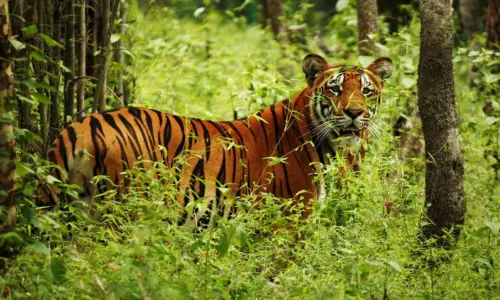
Chitwan National Park Jungle Safari
US$ 650/pp
US$617.5/pp
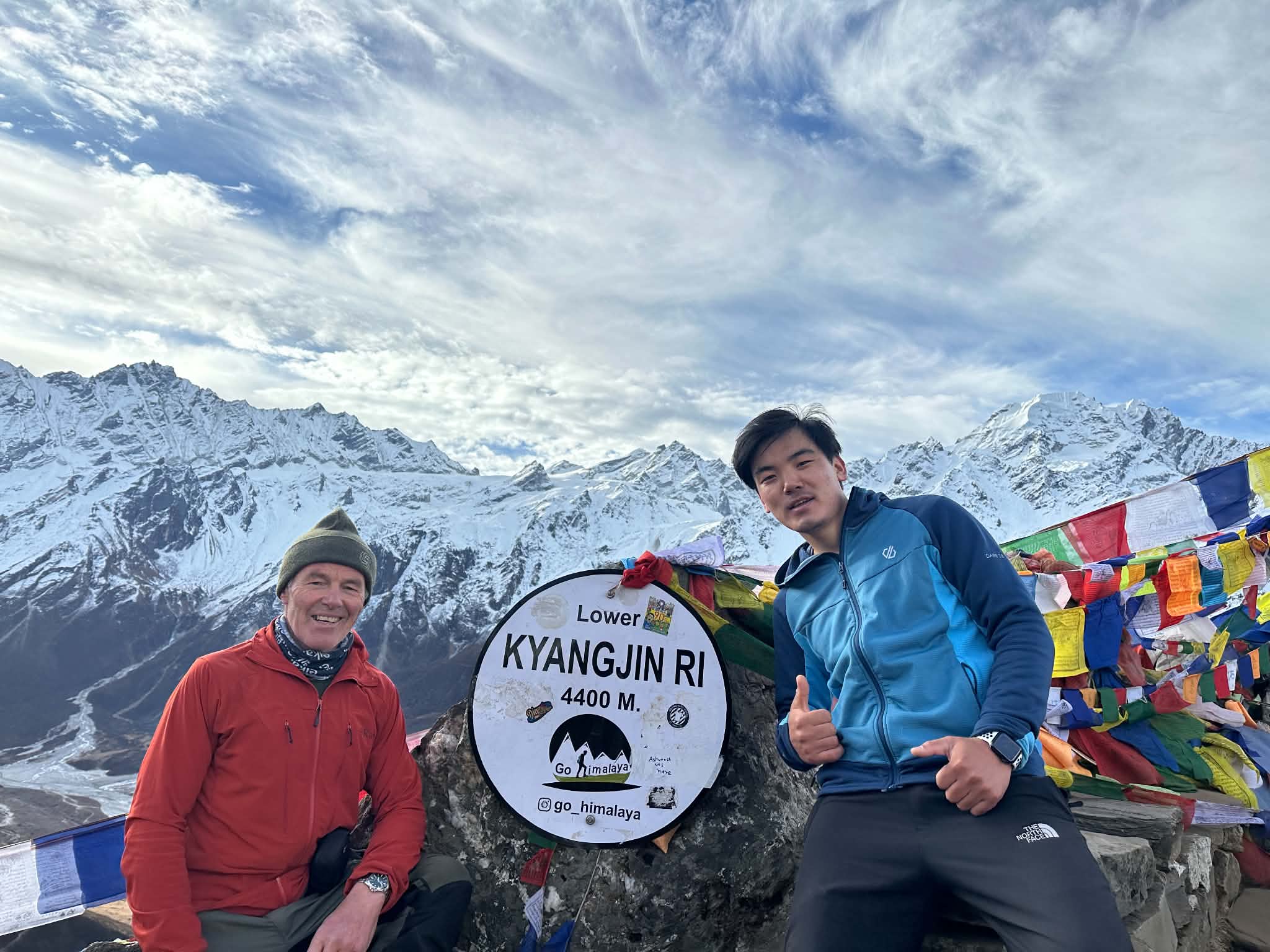
Langtang Valley Trek
US$ 1000/pp
US$950/pp
UNESCO World Heritage Sites Sightseeing
US$ 450/pp
US$427.5/pp
Ghorepani Poon Hill Trek
US$ 1000/pp
US$950/pp
Nar Phu Valley Trek 11 Days
US$ 1320/pp
US$1254/pp
Gokyo Cho La Pass Trek
US$ 2145/pp
US$2037.75/pp
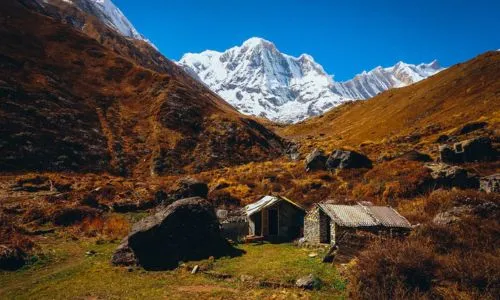
Annapurna Base Camp Trek
US$ 1400/pp
US$1330/pp
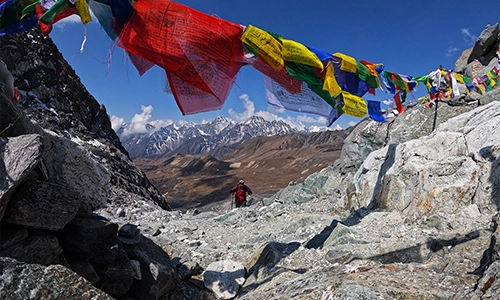
Everest Three Pass Trek
US$ 2910/pp
US$2764.5/pp
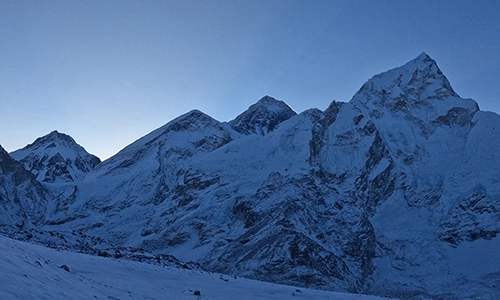
Everest Base Camp Trek
US$ 2000/pp
US$2000/pp
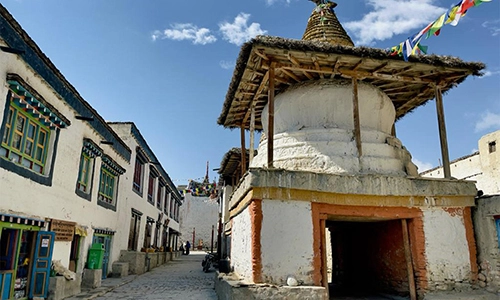
Upper Mustang Trek
US$ 2850/pp
US$2707.5/pp
Annapurna Circuit Trek
US$ 1650/pp
US$1485/pp
Mera peak climbing (6,476 m)
US$ 3000/pp
US$3000/pp
LOBUCHE EAST PEAK CLIMBING WITH EVEREST BASE CAMP TREK
US$ 2800/pp
US$2800/pp
ISLAND PEAK CLIMBING 6,189 meters (20,305 feet)
US$ 2800/pp
US$2800/pp
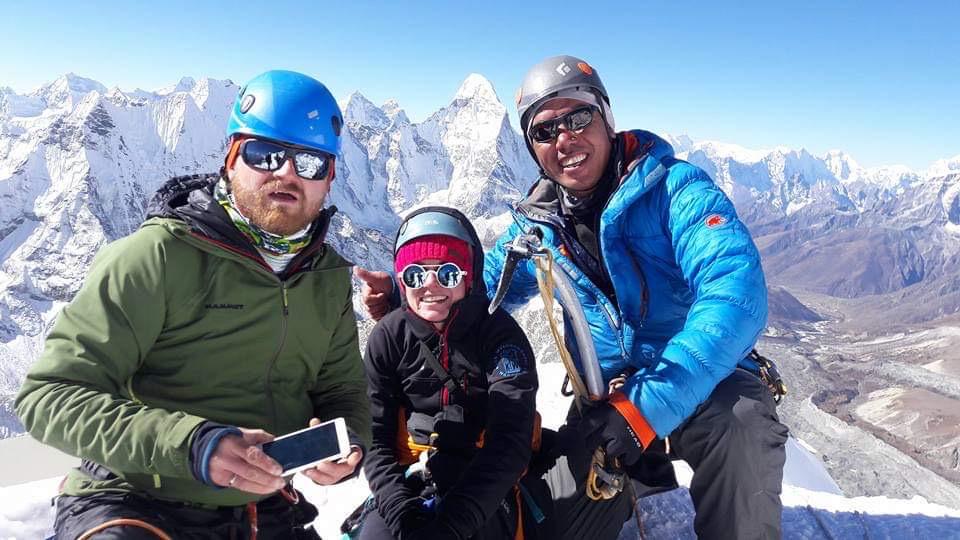
Three Peaks Climbing
US$ 5500/pp
US$5500/pp
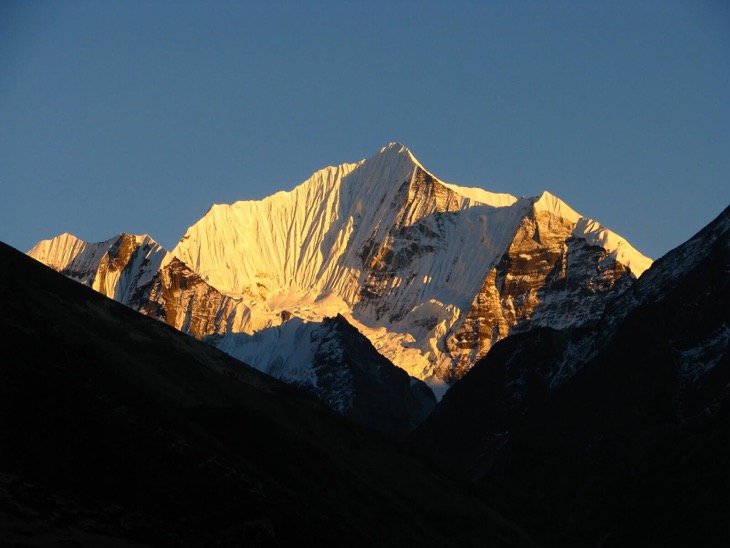
Yala peak climbing
US$ 2000/pp
US$2000/pp
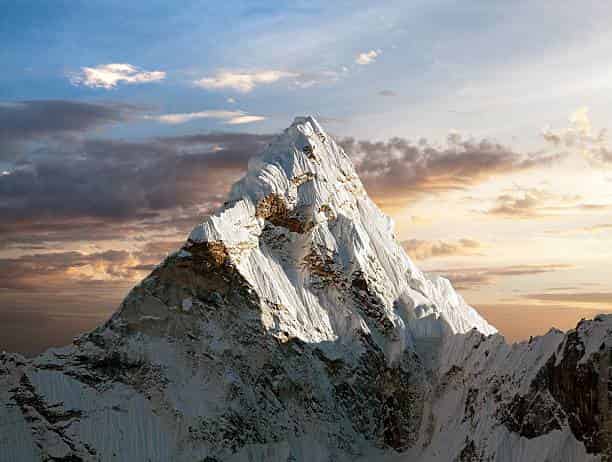
Ama Dablam Expedition
US$ 9500/pp
US$9500/pp
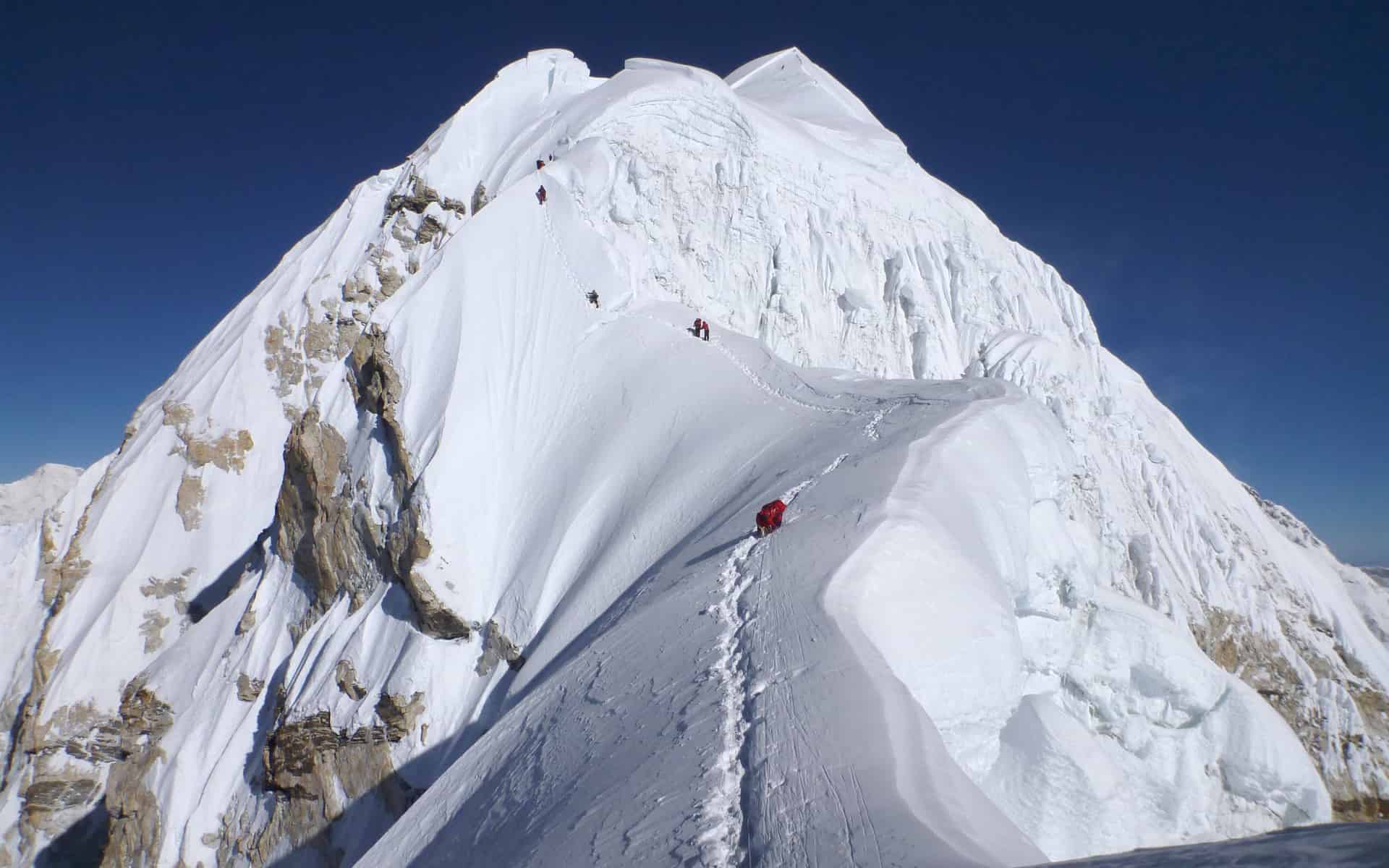
Baruntse Expedition (7,129m)
US$ 8500/pp
US$8500/pp
Chulu peak climbing
US$ 3500/pp
US$3500/pp
Verified Customer Reviews