
- Conquer the Cho La Pass (5,420m) and explore the pristine Gokyo Lakes in the Everest region.
- Stunning Himalayan panoramas, including Everest, Lhotse, Cho Oyu, and Makalu from multiple viewpoints.
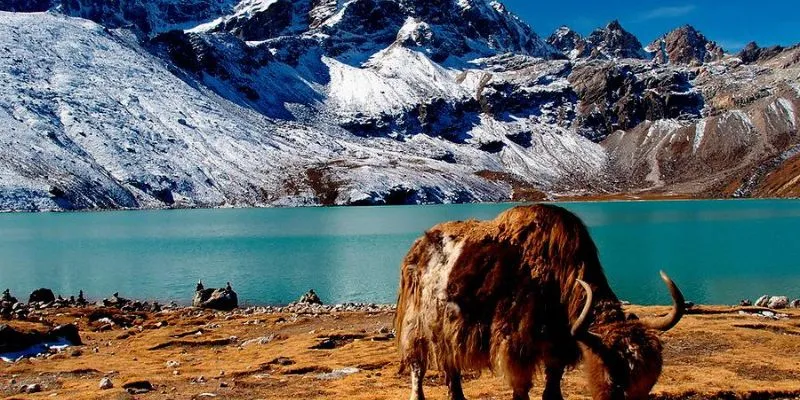
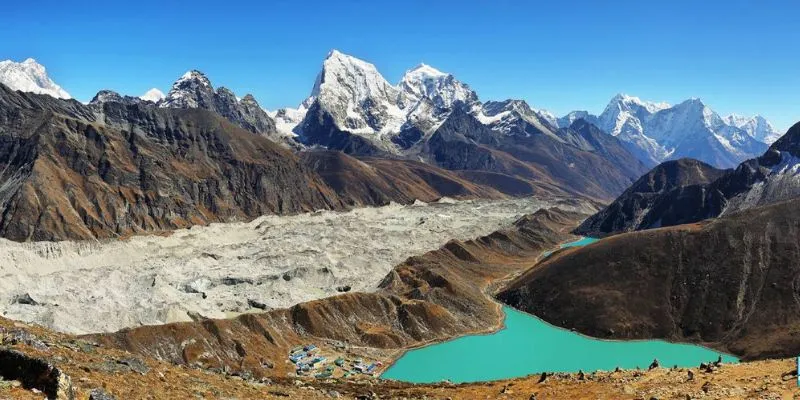
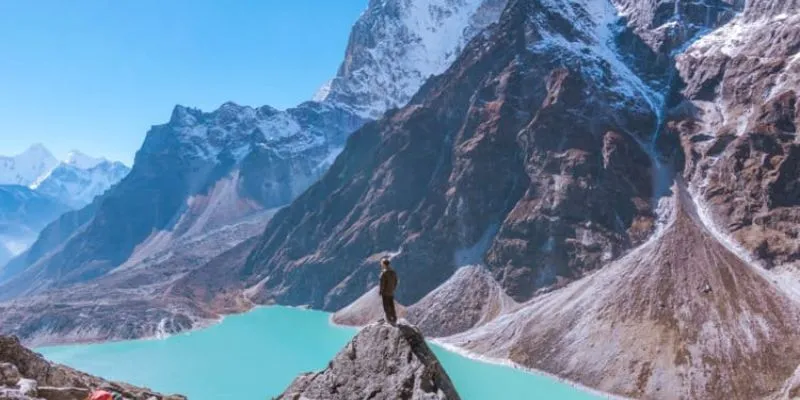
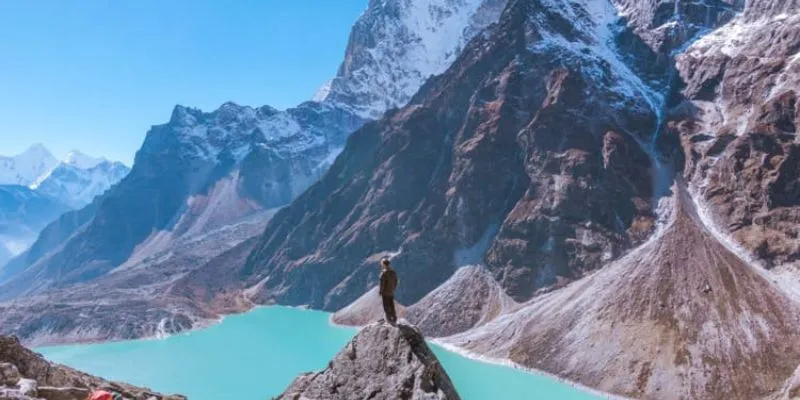
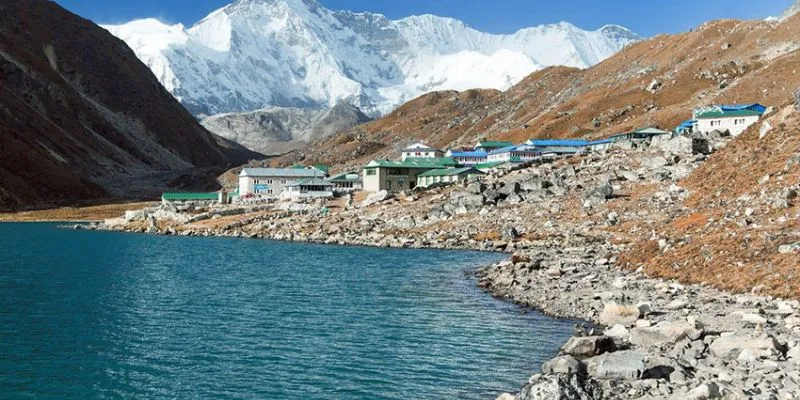
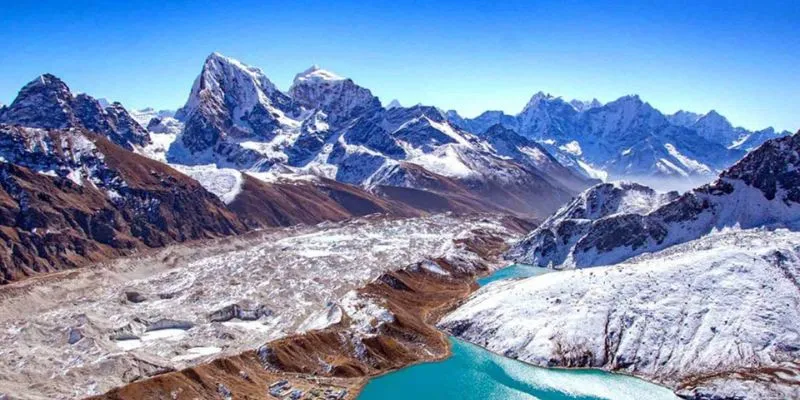
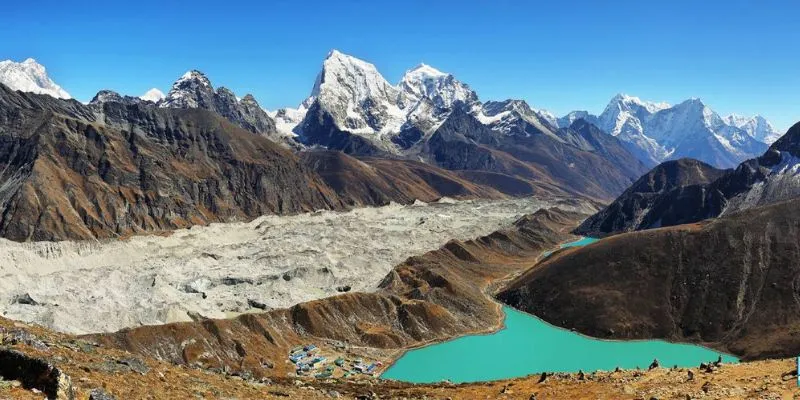
- Scenic Gokyo Lakes, a series of turquoise glacial lakes surrounded by snow-capped peaks.
- Challenging yet rewarding trek, suitable for moderately experienced trekkers seeking adventure.
- Cultural immersion in Sherpa villages, experiencing monasteries, local traditions, and hospitality.
- Diverse landscapes, including glaciers, alpine meadows, moraine trails, and rhododendron forests.
- Visit iconic landmarks, such as Gokyo Ri, Kala Patthar, and Ngozumpa Glacier.
- Wildlife and nature, with yaks, Himalayan birds, and pristine natural surroundings.
- Photography paradise, with breathtaking lakes, mountains, and high-altitude trails.
- Combine adventure with culture, trekking through Sherpa settlements and experiencing Everest region life.
A
L
P
I
N
E
SHERPA CLUB

Alpine Sherpa Club
Alpine Sherpa Club is a Nepal travel agency offering safe, authentic, and personalized Himalayan treks and tours led by expert local Sherpas.
- info@alpinesherpaclub.com
-
- +977 9749749991
-
- Kharibot - Kapan, Kathmandu
View
View
View
View
View
View
View
View
×

Itinerary
Time
Whole Day
Max Altitude
1,400 m
- Upon landing at Kathmandu International Airport, please check for your "Name Plate" at the main gate.
- Our company representative will be there to pick you up and escort you to your hotel in a private vehicle.
- Assistance will be provided for a smooth hotel check-in process.
- If time permits, the representative will take you to our office for a brief trip overview; otherwise, you'll head directly to the hotel.
- Enjoy dinner and overnight stay at a hotel in Kathmandu.
Time
1 hour
Max Altitude
2,800 m
- Take an early morning flight from Kathmandu to Lukla (30–40 min) or from Ramechaap (20 min).
- Begin your trek towards Phakding, descending to Tharo Koshi River (Kusum Kangru Khola).
- Cross the suspension bridge, ascend to Ghat, and continue to Phakding.
- Visit the Gompa in Phakding for your first mountain views.
- Dinner and overnight at a teahouse/guesthouse in Phakding after 3–4 hours of trekking.
Time
5 - 6 hrs
Max Altitude
2,840 m
- We'll begin the day by trekking along the Dudh Koshi River towards Zamphuti, where you'll enjoy stunning views of Thamserku peak.
- Next, we’ll climb to Chomoa, home to an agricultural project that offers a glimpse into the local farming lifestyle.
- From Chomoa, we ascend to Monjo (Altitude: 2,840m), where we officially enter Sagarmatha (Everest) National Park, established in 1976.
- The trek continues uphill with breathtaking mountain views as we approach Namche Bazaar.
- The trek today will take around 5–6 hours.
- Overnight stay at a hotel in Namche Bazaar (Altitude: 3,420m).
Time
Whole Day
Max Altitude
2,840 m
- Today, we'll take a rest day to acclimatize to the high altitude and prevent altitude sickness before continuing the trek.
- We can hike to the Everest View Hotel, offering stunning views of Mt. Everest, Ama Dablam, Thamserku, Lhotse, and other peaks.
- You can explore the Khumjung valley, visit Hillary School, and stop by Khunde Hospital before returning to Namche.
- Spend time in Namche Bazaar, socializing with the friendly Sherpa and Rai people.
- Dinner and overnight at a lodge or guesthouse in Namche Bazaar.
Time
4,090 m
Max Altitude
5 - 6 hrs
- The trail begins with a gradual ascent to Namche Bazaar, followed by an easy, level walk to Kyangjuma (Altitude: 3,550m).
- From Chor Camp at Namche, you'll enjoy breathtaking views of Mt. Everest (8,848m), Lhotse (8,516m), Nuptse (7,879m), Peak-38 (7,591m), Ama Dablam (6,856m), Taboche (6,495m), and many other peaks.
- The trail then ascends steeply for about an hour and a half to Mongla Danda (3,978m), where you can take a break and admire the stunning view of Mt. Ama Dablam.
- After passing Phortse Thanga, the trail climbs steeply through juniper and rhododendron forests to reach Dole (Altitude: 4,090m).
- Dinner and overnight stay at a teahouse in Dole after approximately 5–6 hours of trekking..
Time
4,410 m
Max Altitude
3 - 4 hours
- The trail starts with a gradual ascent to Namche Bazaar, followed by an easy, level walk to Kyangjuma (Altitude: 3,550m).
- From Chor Camp in Namche, you'll be treated to breathtaking views of Mt. Everest (8,848m), Lhotse (8,516m), Nuptse (7,879m), Peak-38 (7,591m), Ama Dablam (6,856m), Taboche (6,495m), and several other peaks.
- Afterward, the trail ascends steeply for about an hour and a half to reach Mongla Danda (3,978m), where you can pause to enjoy a stunning view of Mt. Ama Dablam.
- Continuing from Phortse Thanga, the trail climbs steeply through juniper and rhododendron forests, leading to Dole (Altitude: 4,090m).
- You'll have dinner and stay overnight at a teahouse in Dole after approximately 5–6 hours of trekking.
Time
4 - 5 hrs
Max Altitude
4,750 m
- Today's route takes you from Machhermo to Gokyo, starting with an ascent up a ridge that offers an outstanding view of the valley leading to Kangtega and the Cho-Oyu mountain range (Altitude: 8,201m).
- Beyond the ridge, the valley opens up as the trail passes through Pangka (Altitude: 4,390m), descending to the riverbank before starting the climb to the Ngozumpa Glacier’s terminal moraine.
- After a steep ascent, you'll reach Longponga, the first small lake (Altitude: 4,650m), where a family of Brahmin ducks has lived for years.
- Passing the second lake, Taujung (Altitude: 4,710m), the trail flattens as it leads to Gokyo Lake (Altitude: 4,750m).
- The trek will take around 4 hours today.
- Dinner and overnight stay at a teahouse in Gokyo
Time
4 - 5 hrs
Max Altitude
5,357 m
- We'll have a steep ascent to the top of Gokyo RI this morning (Alt. 5357m).
- From there, you can take in breathtaking views of the Gokyo valley, the enormous Ngozumpa Glacier, and a breathtaking panorama of the entire Khumbu mountain range, which includes such enormous peaks as Mt. Cho Oyu (Ht. 8201m), Mt. Everest (Ht. 8848m), Lhotse (Ht. 8516m), Nuptse (Ht. 7879m), Makalu (Ht. 8481m), and Cholaste (Ht. 7922m).
- We will then return to Gokyo (Alt. 4750m) after taking in the breathtaking views at Gokyo Ri.
- The trek from Gokyo Lake to Thakna will take us about 2-3 hours.
- Before taking about 45 minutes to descend along the valley to Thangana (Alt. 4700m), known as the base camp of Cho La Pass, the trail ascends and descends without difficulty through the glacier.
- You will enjoy lovely views of the mountains and other scenic features along the trail.
- The journey from Gokyo Lake to Thagnak is truly wonderful.
- Today’s trek will last approx 4-5 hrs.
- Stay for the night at the lodge in Thagnak.
Time
7 - 8 hr
Max Altitude
4,830 m
- Today is one of the most challenging days, with a steep ascent and glacier crossing at Cho La Pass.
- The trail is steep and slippery with glazed rocks, requiring caution as we ascend through a narrow valley from Phedi.
- As we climb, stunning views unfold, including a frozen lake and Cho La Pass (5,368m), adorned with prayer flags.
- You'll see famous peaks like Kyajo Ri, Teng Kang Poche, and Numbur along the way.
- After crossing the pass, we descend steeply to Dzongla (4,830m), passing crevasses and pine forests.
- Dinner and overnight at a teahouse in Dzongla after 7–8 hours of trekking.
Time
2 - 3 hours
Max Altitude
4,910 m
- After passing through the Cho La Pass (Alt. 4910m), the distance between Dzongla and Lobuche is short and the trail is easy, so you can take your time and enjoy the trek .
- The trail gently descends and ascends before arriving at Lobuche.
- This trek offers spectacular views of Ama Dablam, Nuptse-Lhotse, Everest, Pumori, and Lobuche.
- Another memorable sight is the sunset over Nuptse from the small village of Lobuche, which is located close to the stream.
- Today’s trek will last approx 2-3 hrs.
- Spend the night at the teahouse in Lobuche.
Time
7 - 8 hr
Max Altitude
5,140 m
- Today, we'll trek along the Khumbu Glacier until we arrive in Gorakshep. This is the closest village to Everest Base Camp.
- We’ll hike up to Everest Base Camp in the afternoon, where we can views a closest view of Everest.
- Today’s trek might last up to approx. 7-8 hrs.
- We will return to Gorak Shep for the night after ascending Everest Base Camp.
Time
7 - 8 hr
Max Altitude
4,410 m
- Early in the morning, we'll hike up to Kala Patthar from Gorak Shep for a stunning view of the many Himalayas and a breath-taking sunrise.
- The Kala Patthar, which translates as "black rock," is the highest point we can hike in Nepal without converting our trekking permit into a climbing permit. The views of Nuptse and Changtse, as well as the up-close views of Everest can be seen from there, which is really extraordinary. The views are breathtaking whenever you hike up here, but sunset and sunrise are probably the best times to do so.
- The trail from Gorak Shep to Kala Patter begins with a steep ascent that lasts for about 30 minutes to get to the flat area where the 2009 cabinet meeting of the Nepal government regarding the issue of global warming was held. It was the first cabinet meeting ever held in such a high location.
- You will finally reach Kala Patthar after the challenging ascent with numerous bends, and it will take another 50 meters of rocky ascent to reach the summit of the main Kala Patthar (5545m).
- Today, you might have a great view of the sunrise over mountains like Mt. Everest (8848), Lhotse (8516m), Nuptse (7879m), Ama Dablam (6856m), Thamserku (6623m), Kangtega (6783m), Kusum Kangaru (6367m), Cholaste (6335m), Taboche peak (6495m), Lobuche peak (6090m), Lingtren.
- We will then trek down through Lobuche and Dughla as we head back to Gorak Shep for breakfast.
- You will cross the river a short distance from Dughla, which originates from the Khumbu icefall and Everest base camp .
- Then you will come across two trails, one of which leads to Dingboche on the left and Pheriche on the right. We will proceed through the left side, which is flat and can be descended smoothly to Dingboche through Dusa to a chorten at the Imja Khola's head.
- Finally, you'll arrive at Dingboche (4410m), where you will spend the night and have your delicious dinner after approx 7-8 hrs of trekking.
Time
7 - 8 hr
Max Altitude
3,440 m
- After a delicious breakfast, we will enjoy another relaxing one-and-a-half-hour long walk down a zigzag trail bridge and across a suspension bridge over the Dudh Koshi River.
- When we finally arrive at Kyangjuma, we will ascend stone steps.
- After that, the trail is leveled until it reaches Namche, which takes about 3 hours.
- Spend the night at a lodge in Namche Bazaar after exhausting 7 hrs of trek.
Time
7 - 8 hr
Max Altitude
2,860 m
- We set out for Lukla after taking in some stunning views of the mountains in Nepal's Everest region from Namche.
- We travel to Lukla using the same paved route along Jorsale, Monjo, and Phakding.
- The amazing mountainous region and lush forests will keep us motivated for the entire journey.
- Today’s trek will last approx 7-8 hrs.
- Spend the night in a guesthouse in Lukla tonight.
Time
1 hour
Max Altitude
1,400 m
- Today, we'll walk to Tenzing Hillary Airport for your flight back to Kathmandu, or you can fly from Lukla to Ramechaap and then drive to Kathmandu.
- Please note that flights from Lukla typically operate in the morning due to unpredictable weather in the afternoon. If weather conditions delay your return to Kathmandu, we recommend adding an extra day to your itinerary.
- Enjoy a scenic and thrilling 25 to 30-minute flight back to Kathmandu, where you’ll be transferred to your hotel.
- After your long trek through the Himalayas, you'll have some free time to relax and catch your breath, or you can do some last-minute shopping.
- Dinner and overnight stay at a hotel in Kathmandu.
Time
Whole Day
Max Altitude
1,400 m
- On this final day, you will receive your trekking permits, TIMS card, and trekking appreciation card as souvenirs from your journey through the Himalayas.
- A representative from our company will drive you to the international airport before your scheduled flight.
- We would greatly appreciate any feedback regarding your Cho La Pass Trek experience or our company, as it helps us improve our services for future customers.
- Depart with wonderful memories of your Himalayan adventure.
- Have a safe flight, and we hope to see you again soon!
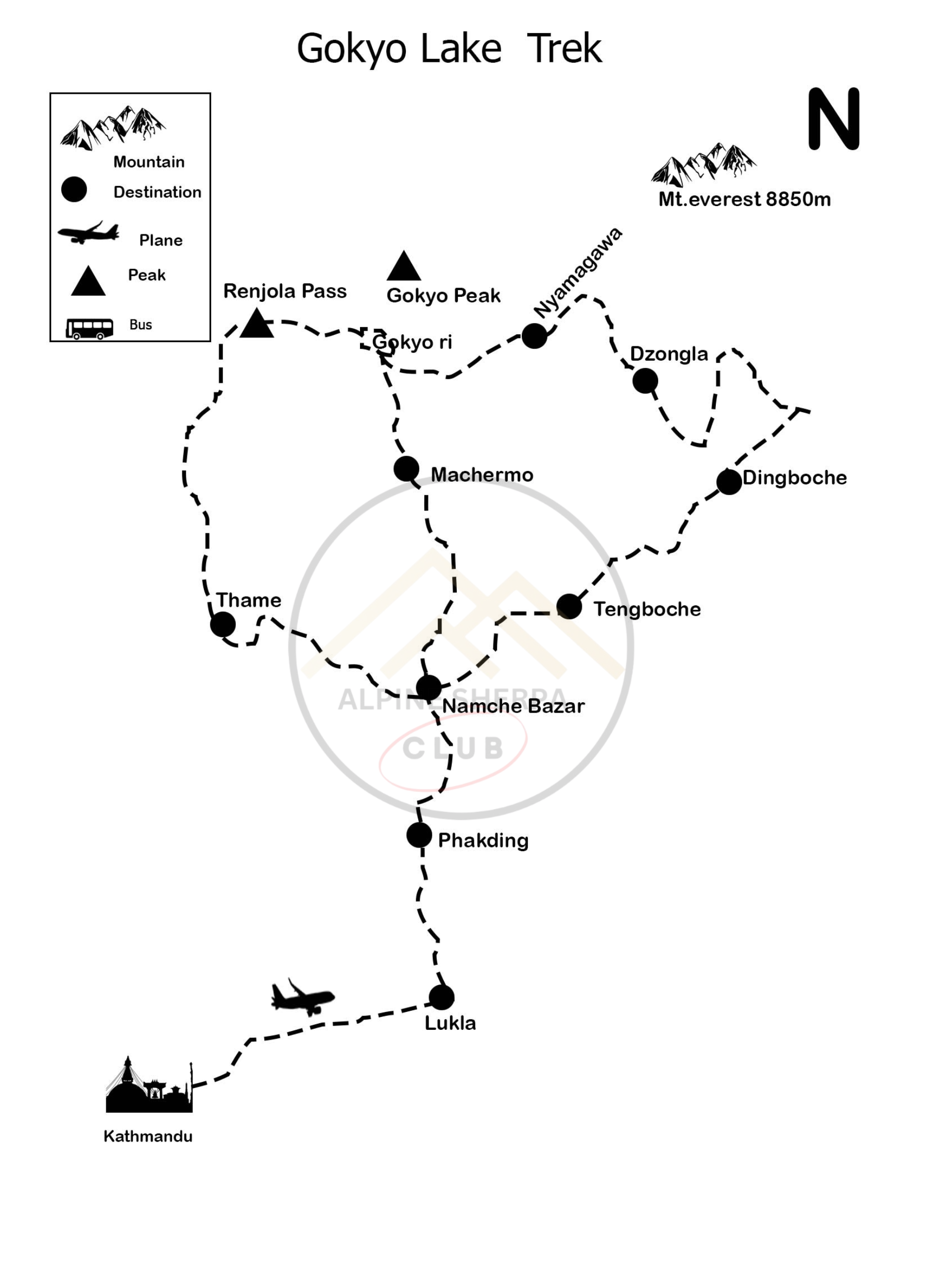
Route Map
Frequently Asked Questions
The best time to trek the Gokyo Cho La Pass is during spring (March-May) and autumn (October-November). These seasons offer mild temperatures, clear skies, and stable weather conditions, which are ideal for trekking and enjoying panoramic views of the Himalayas. While the winter months (December-February) are less crowded, they bring cold temperatures and snow, making the trek more challenging. The monsoon season (June-early September) is generally not recommended due to heavy rainfall and potential landslides.
The Gokyo Cho La Pass Trek is considered challenging due to its high altitude, steep ascents, and difficult terrain, especially when crossing the Cho La Pass at 5,417 meters. Trekkers should be in good physical condition and have some prior trekking experience, preferably at high altitudes. Acclimatization days are essential to reduce the risk of altitude sickness.
Trekkers need the following permits for the Gokyo Cho La Pass Trek: Sagarmatha National Park Entry Permit: Required to enter the Sagarmatha National Park, where most of the trek takes place. Trekkers' Information Management System (TIMS) Card: This permit is for safety and tracking of trekkers in the Everest region. These permits can be obtained in Kathmandu or Lukla, and it’s advisable to arrange them through a registered trekking agency.
The trek passes through diverse ecosystems, where you can encounter flora such as Birch, Juniper, Rhododendron, and Blue Pines. The region is also home to rare fauna, including the Red Panda, Musk Deer, Himalayan Monal, and Himalayan Tahr. The dense forests and high-altitude areas offer unique opportunities to observe these species in their natural habitat.
You May Love And Like
Related Packages
Explore the world with our handpicked selection of the related and recommned packages.
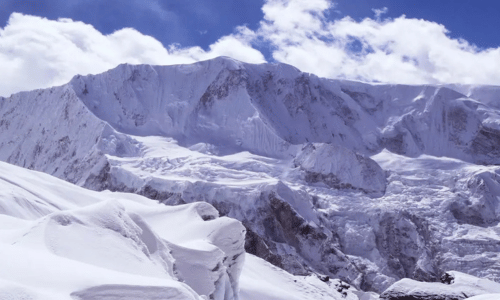
Himlung Himal Climbing
US$ 7000/pp
US$7000/pp
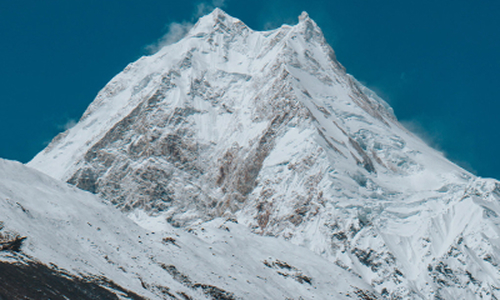
Manaslu Circuit Trek
US$ 1500/pp
US$1500/pp
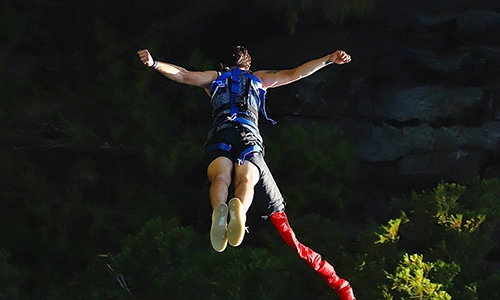
Bungee Trip in Pokhara
US$ 270/pp
US$256.5/pp
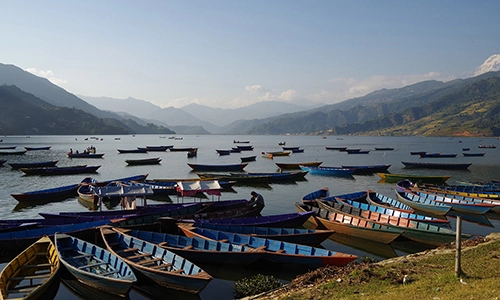
Kathmandu and Pokhara Tour
US$ 800/pp
US$760/pp
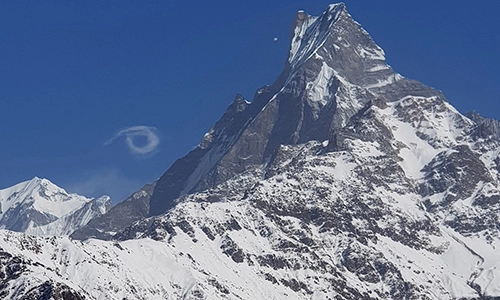
Mardi Himal Trek
US$ 600/pp
US$570/pp
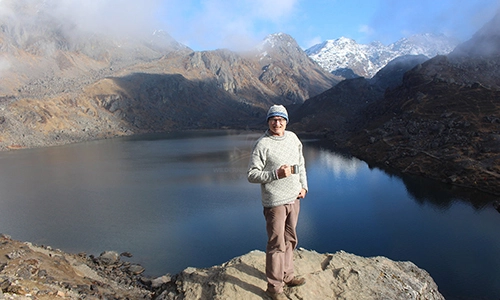
Gosaikunda Trek - 8 Days Adventure
US$ 700/pp
US$665/pp
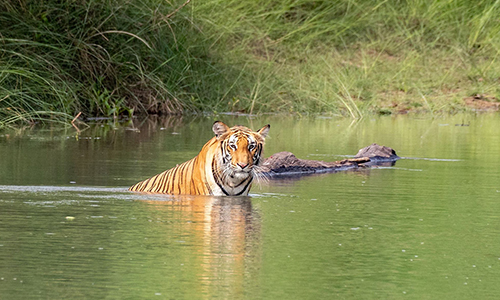
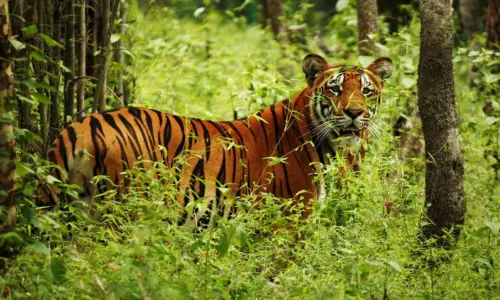
Bardiya National Park Tiger Safari
US$ 700/pp
US$665/pp
Chitwan National Park Jungle Safari
US$ 650/pp
US$617.5/pp
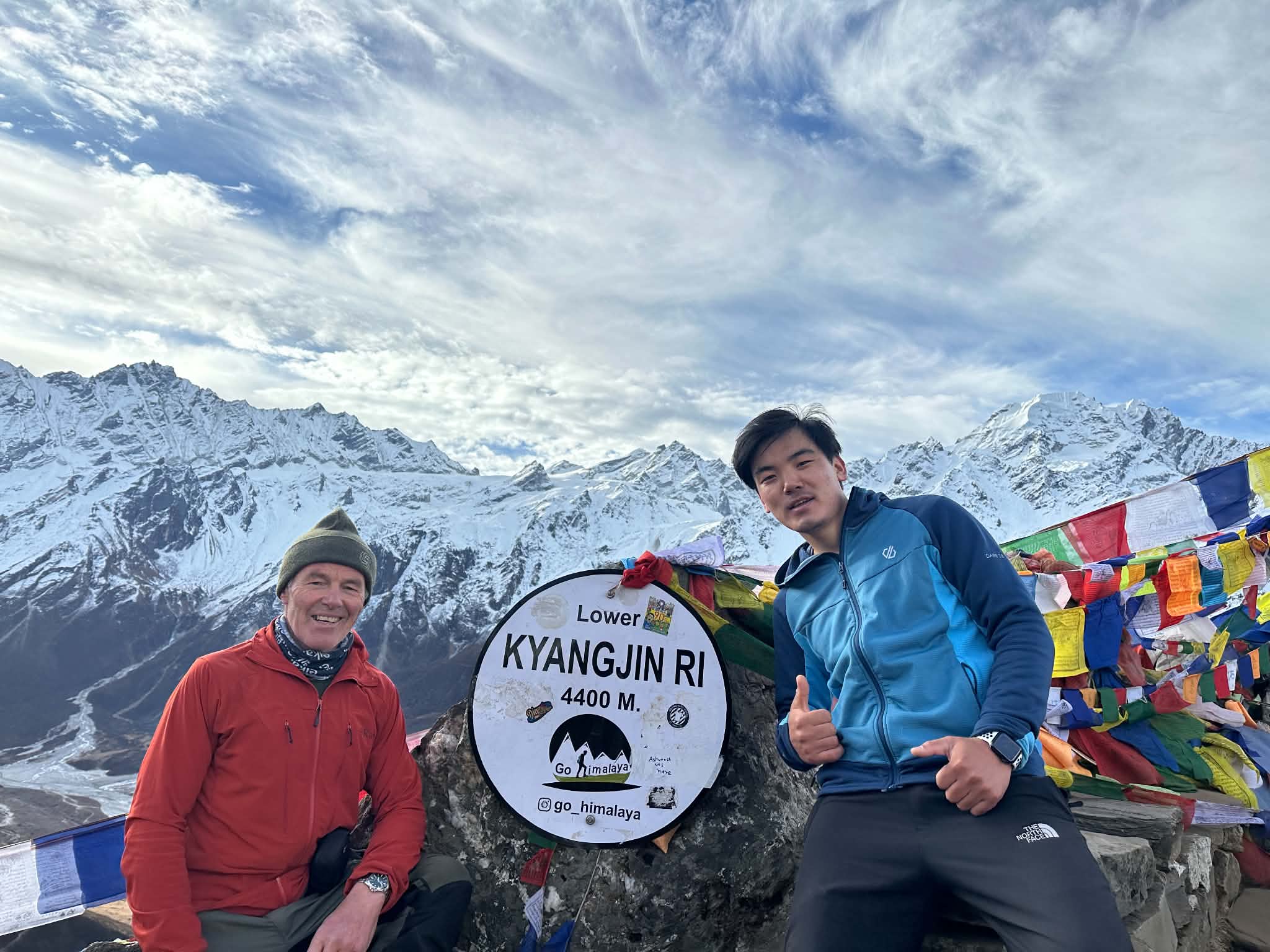
Langtang Valley Trek
US$ 1000/pp
US$950/pp
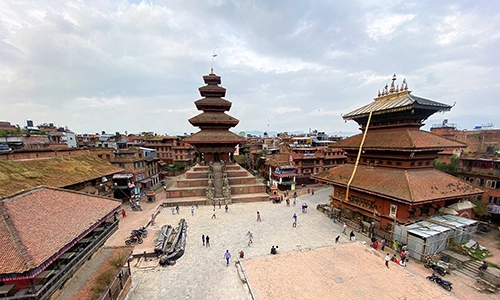
UNESCO World Heritage Sites Sightseeing
US$ 450/pp
US$427.5/pp
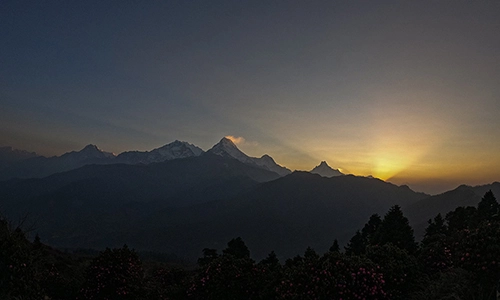
Ghorepani Poon Hill Trek
US$ 1000/pp
US$950/pp
Nar Phu Valley Trek 11 Days
US$ 1320/pp
US$1254/pp
Gokyo Cho La Pass Trek
US$ 2145/pp
US$2037.75/pp
Annapurna Base Camp Trek
US$ 1400/pp
US$1330/pp
Everest Three Pass Trek
US$ 2910/pp
US$2764.5/pp
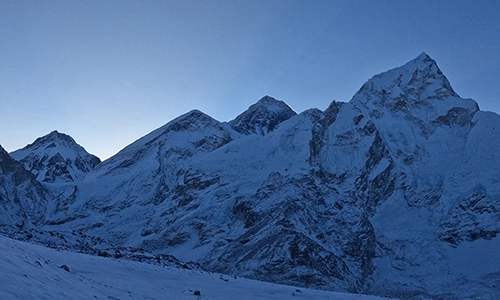
Everest Base Camp Trek
US$ 2000/pp
US$2000/pp
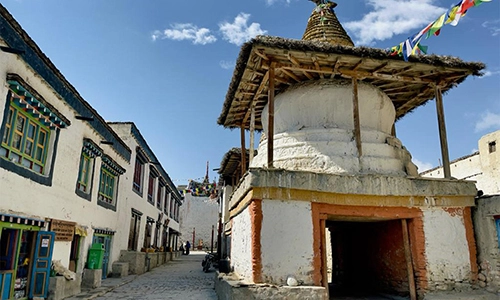
Upper Mustang Trek
US$ 2850/pp
US$2707.5/pp
Annapurna Circuit Trek
US$ 1650/pp
US$1485/pp
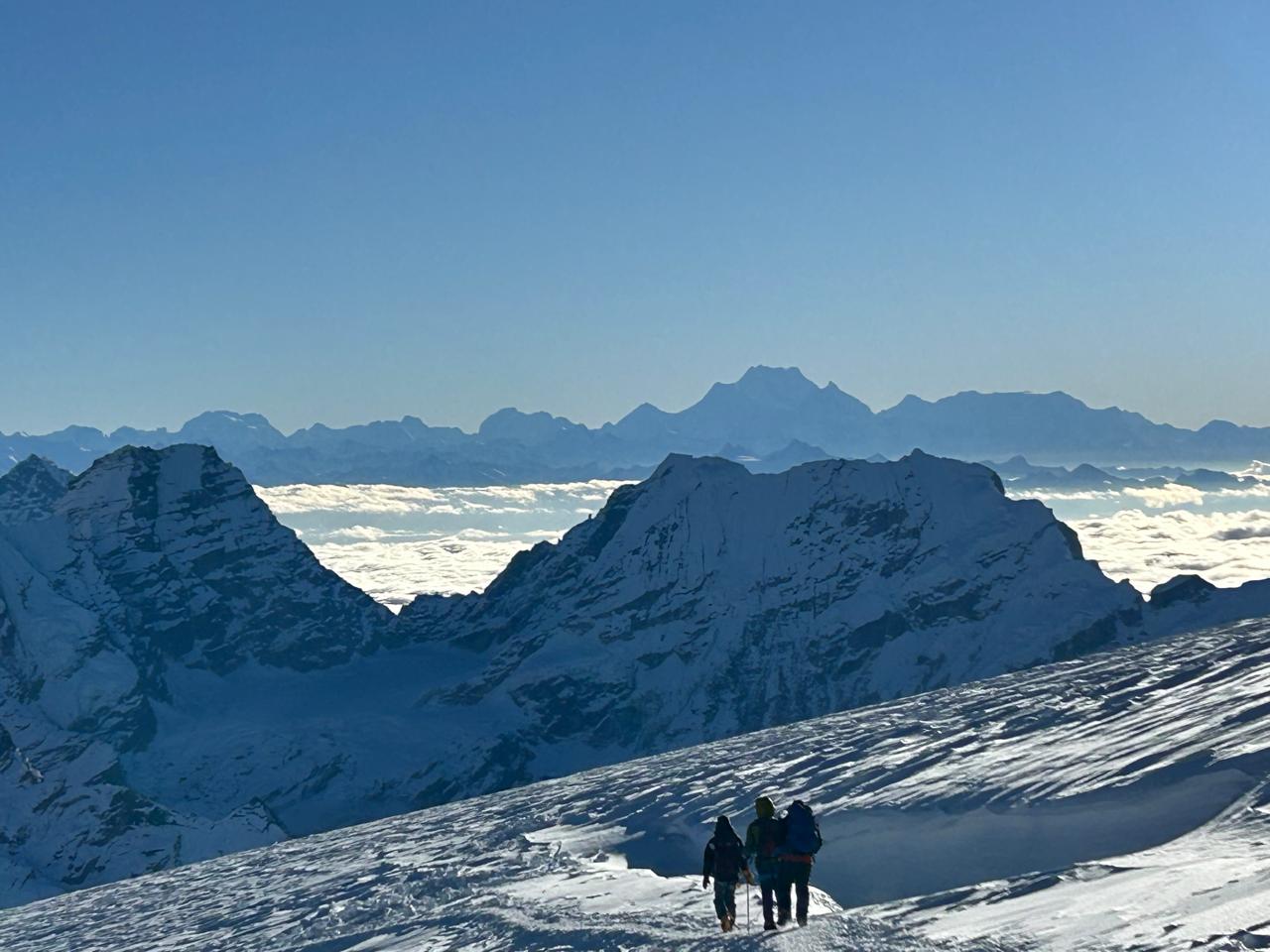
Mera peak climbing (6,476 m)
US$ 3000/pp
US$3000/pp
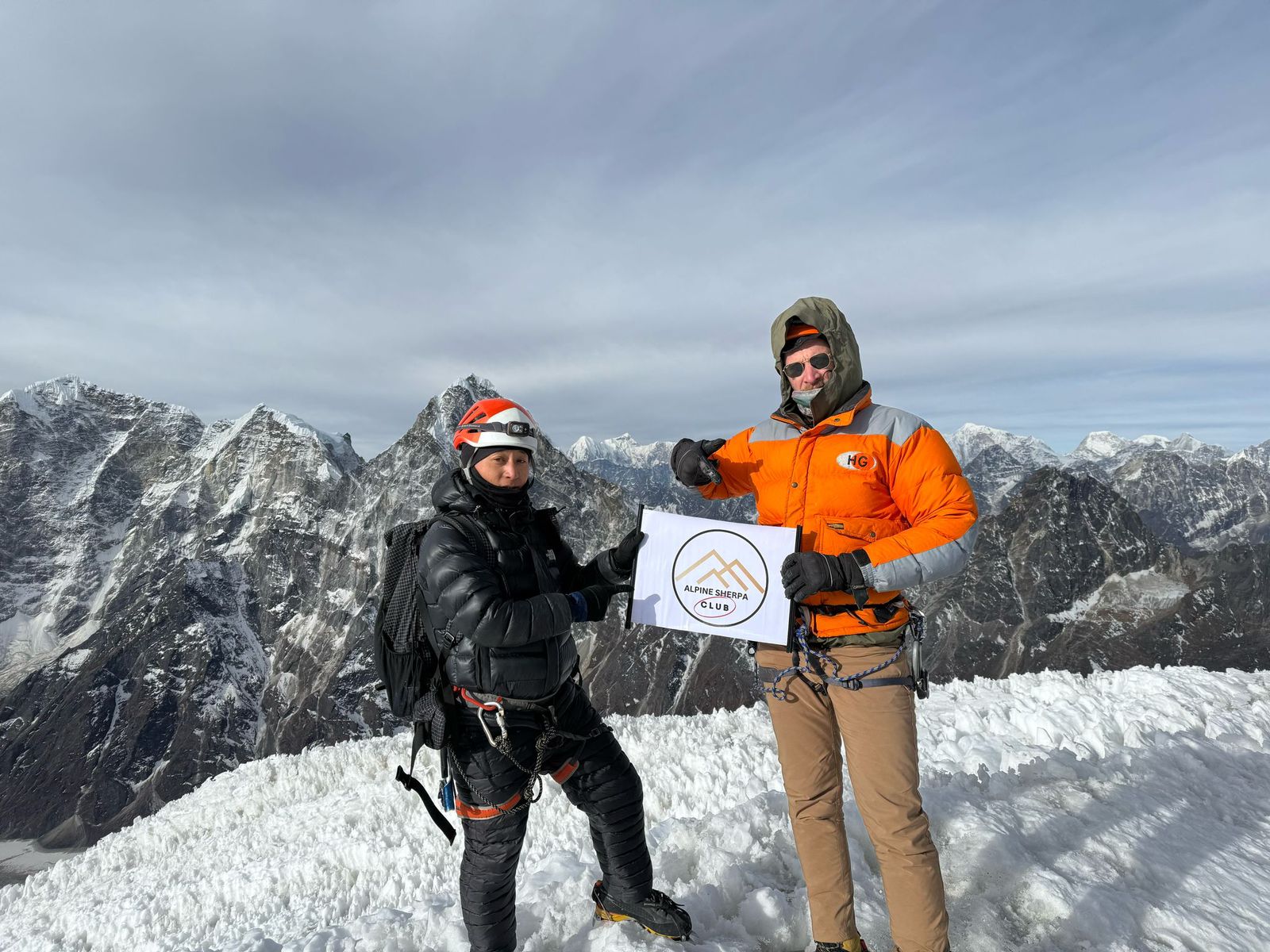
LOBUCHE EAST PEAK CLIMBING WITH EVEREST BASE CAMP TREK
US$ 2800/pp
US$2800/pp
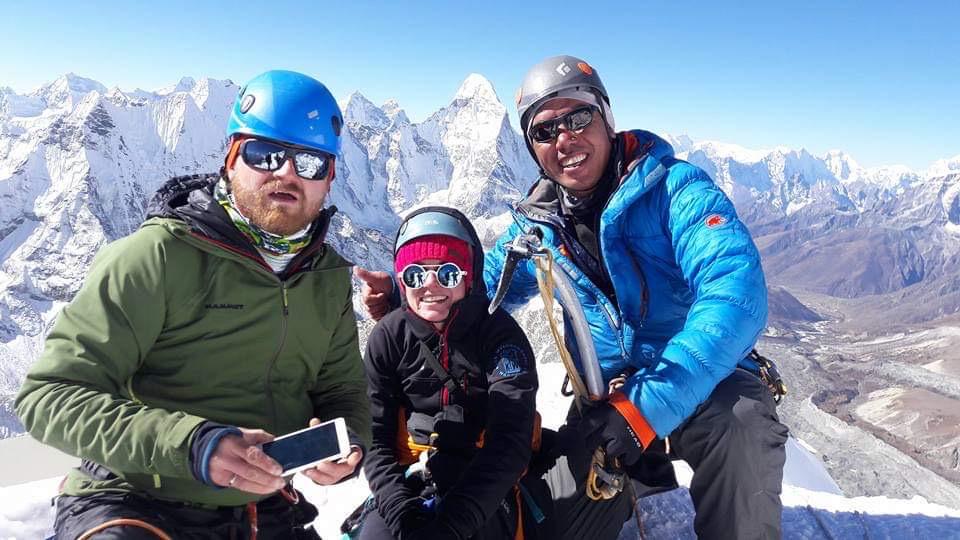
ISLAND PEAK CLIMBING 6,189 meters (20,305 feet)
US$ 2800/pp
US$2800/pp
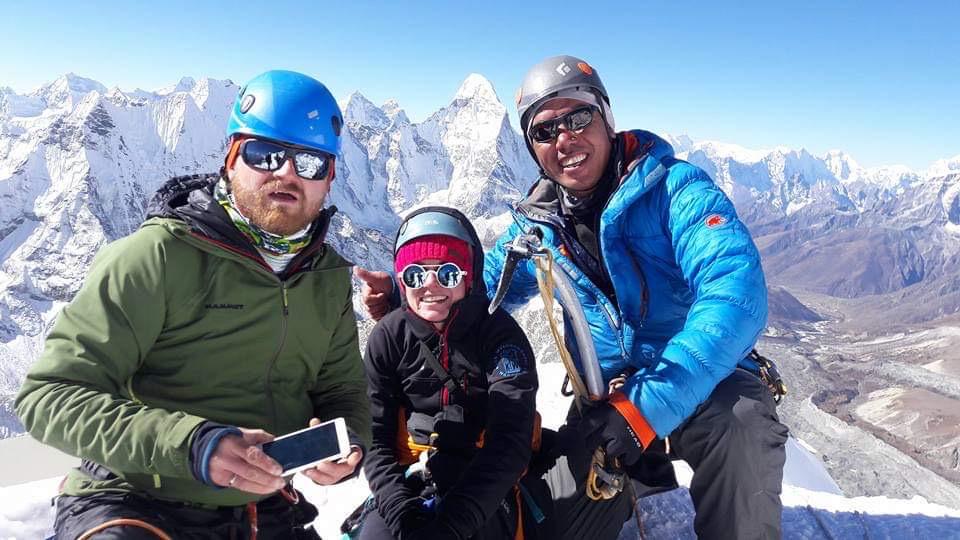
Three Peaks Climbing
US$ 5500/pp
US$5500/pp
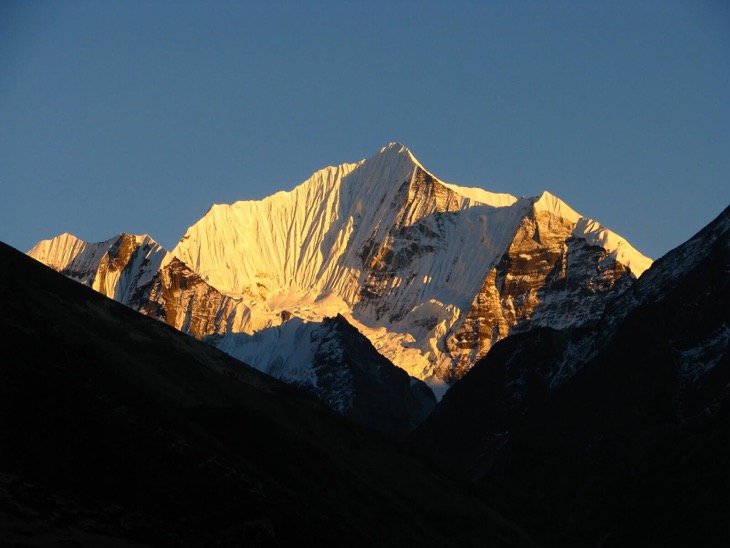
Yala peak climbing
US$ 2000/pp
US$2000/pp
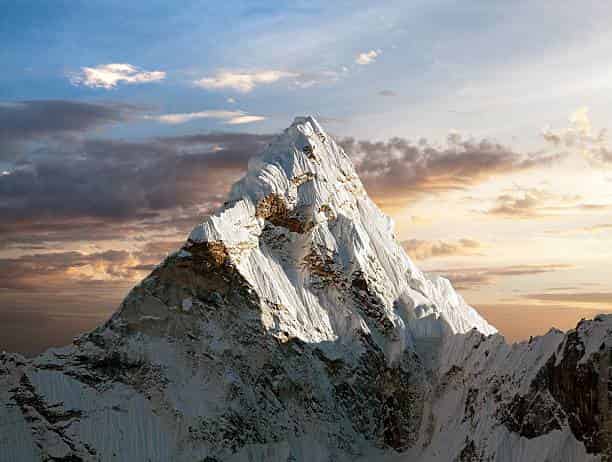
Ama Dablam Expedition
US$ 9500/pp
US$9500/pp
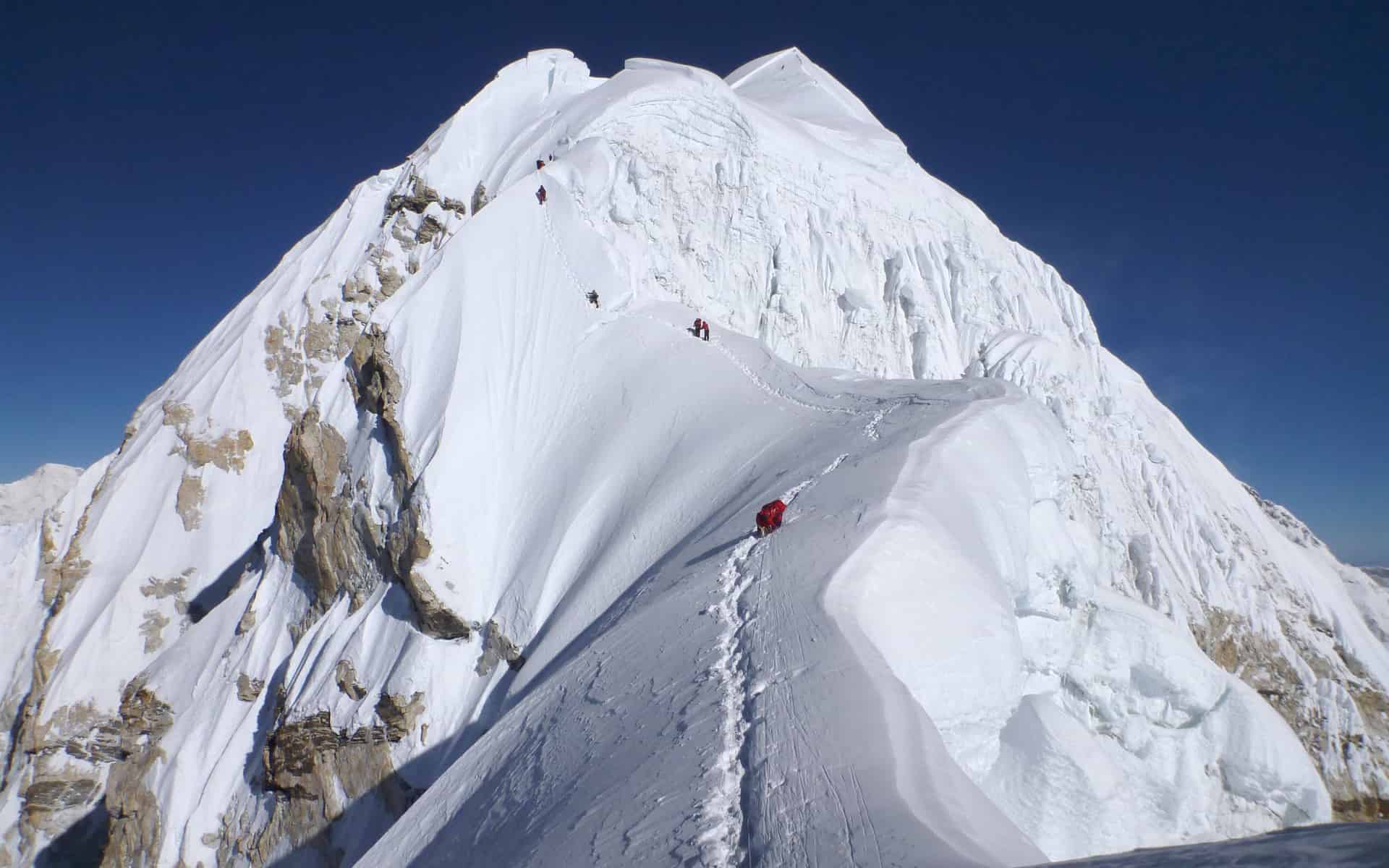
Baruntse Expedition (7,129m)
US$ 8500/pp
US$8500/pp
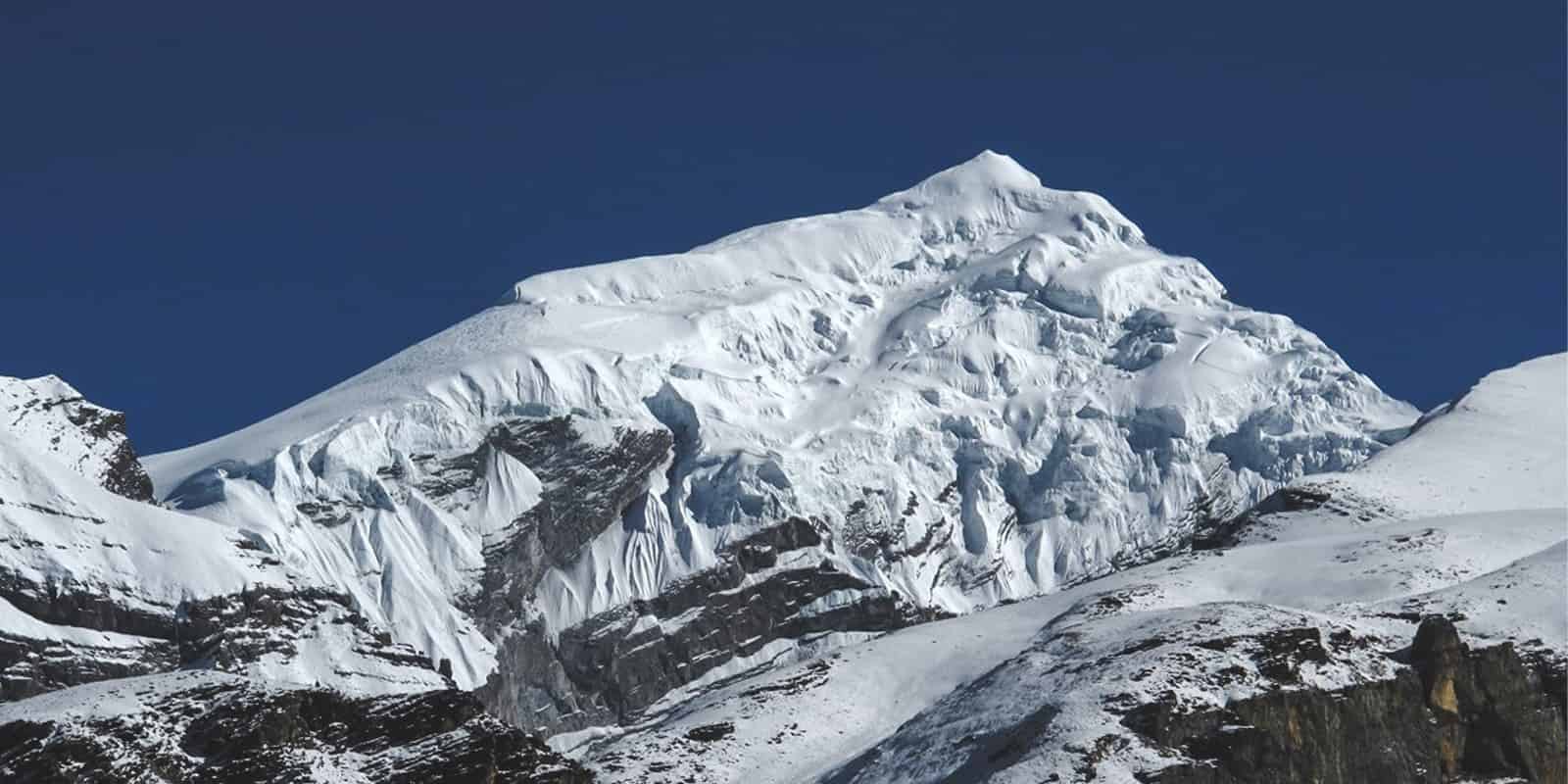
Chulu peak climbing
US$ 3500/pp
US$3500/pp
Verified Customer Reviews