


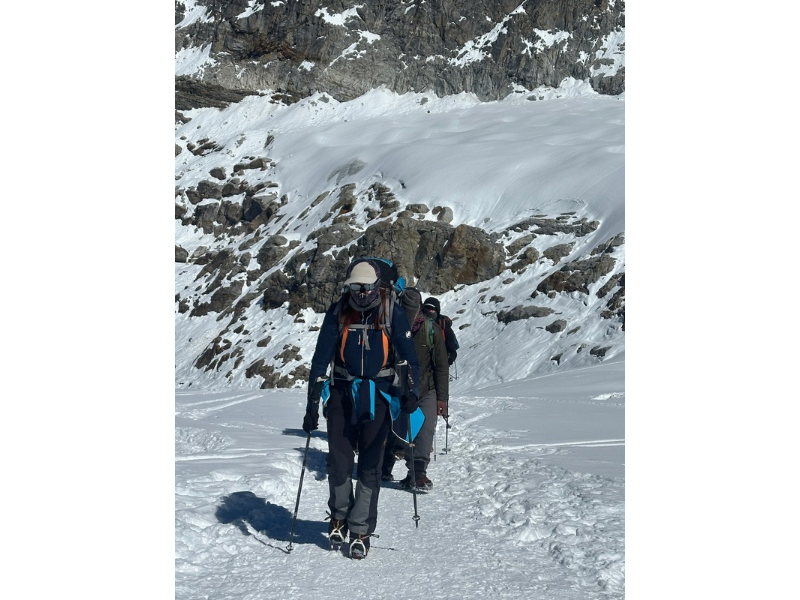
6000m Peak Climbing Gear List: Complete Packing Guide for Nepal
6000m Peak Climbing Gear List: Complete Packing Guide for Nepal
Preparing for a 6,000-metre Himalayan peak requires the right equipment, proper clothing and careful planning. Whether you are climbing Mera Peak, Island Peak, Lobuche East or another trekking peak in Nepal, having suitable gear is essential for your comfort, safety and success.
At Alpine Sherpa Club, we believe that good preparation begins before you arrive in the mountains. This guide will help you understand what to pack for your climbing adventure in Nepal.
Some technical equipment may be available for rent in Kathmandu, but we recommend bringing your personal clothing, footwear and essential equipment whenever possible. Proper fitting is particularly important for climbing boots, crampons and harnesses.
Important: A 6,000m gear list should not imply that every peak requires exactly the same equipment. Weather, route conditions, season and expedition style can change the requirements. Always confirm your final gear list with your expedition organiser.
---
1. Travel Documents
Keep all your important documents organised and accessible throughout your journey.
· Valid passport
· Credit or debit card
· Two passport-size photographs
· Travel insurance documents covering high-altitude mountaineering and emergency helicopter evacuation
· Insurance emergency contact details
· Family emergency contact information
· Alpine Sherpa Club contact information
· Copies of relevant permits and travel documents
2. Headwear
Protecting your head and face from strong sunlight, cold temperatures and mountain winds is important.
· Sun cap
· Desert or wide-brimmed hat
· Balaclava
· Warm fleece or woollen hat (1–2)
· Neck gaiter or Buff (2–3)
3. Technical Climbing Equipment
Technical equipment is essential for safe movement on snow, ice and glacier terrain. Make sure all equipment is suitable for your climbing route and properly fitted.
· Climbing helmet
· Crampons compatible with your mountaineering boots, including protective covers
· Mountaineering ice axe with protective cover
· Climbing harness
· Belay device (ATC Guide or suitable alternative)
· Figure-eight descender, if required by the climbing system
· Jumar or mechanical ascender
· Locking carabiners (3)
· Non-locking carabiners (2)
· 240 cm sling
· 6 mm accessory cord, approximately 3 metres, where required by the guide
· Headlamp (300–500 lumens)
· Spare headlamp batteries
· UV-protective glacier sunglasses
· Trekking poles
· Pocket knife or multi-tool
Important: Your climbing guide will confirm the exact technical equipment required for the selected peak and route. Do not purchase technical equipment without checking compatibility first.
4. Footwear
Your footwear is one of the most important parts of your climbing preparation. Cold feet, uncomfortable boots and poorly fitted crampons can create serious problems at high altitude.
· Mountaineering summit boots suitable for the planned altitude and temperatures
· Summit socks (2 pairs)
· Regular trekking socks (4–6 pairs)
· Waterproof trekking shoes
· Warm camp booties (1 pair)
· Comfortable slippers or sandals (1 pair)
For colder, higher-altitude climbs, double boots may be necessary. However, the correct boot depends on the mountain, season and expected conditions.
5. Sun Protection
The sun is particularly strong at high altitude, and snow reflects UV radiation. Proper sun protection is essential.
· Sunscreen (SPF 50 or higher)
· Lip balm with SPF 30–50
· UV-protective sunglasses
· Moisturiser or skin lotion
6. Hand Protection
Your hands can become extremely cold during early-morning summit attempts. Carry different layers of gloves to adapt to changing temperatures.
· Lightweight fleece gloves (1 pair)
· Windproof gloves (1 pair)
· Warm insulated gloves (1 pair)
· Heavy-duty summit mittens suitable for high-altitude climbing (1 pair)
7. Backpacks and Bags
You will need a comfortable daypack for personal essentials and a larger duffel bag for transporting your expedition equipment.
· Daypack (35–50 litres)
· Expedition duffel bag (120–150 litres)
· Waterproof stuff sacks or dry bags (2–3)
· Small waterproof bag for important documents and electronics
8. Personal Toiletries
Maintaining personal hygiene in the mountains can be challenging, so carry essential toiletries.
· Toilet paper
· Wet wipes
· Toothbrush and toothpaste
· Soap and shampoo
· Hand sanitiser
· Small personal towel
· Garbage bags for carrying personal waste
· Nail cutter
9. Upper Body Clothing
Layering is the best way to manage changing temperatures during a Himalayan expedition. Choose lightweight, breathable and warm clothing.
· Thermal base-layer tops (2)
· Fleece jackets (2)
· Waterproof and breathable shell jacket (1)
· Windproof jacket (1, if not covered by your shell)
· Insulated down jacket (1)
· Quick-drying T-shirts (2–4)
· Long-sleeved shirts for additional sun protection
10. Eating and Drinking Equipment
Staying hydrated is particularly important during high-altitude trekking and climbing.
· One-litre reusable water bottle
· Insulated thermos flask (1–1.5 litres)
· Personal spoon, fork, bowl and mug (optional, depending on expedition arrangements)
11. Sleeping Equipment
Good-quality sleeping equipment helps you recover after long days of trekking and climbing.
· Sleeping bag rated approximately -30°C to -40°C, depending on the expedition and expected temperatures
· Sleeping bag liner
· Sleeping mattress or insulated inflatable sleeping pad
· Inflatable pillow (optional)
Your sleeping bag should be selected according to the actual overnight temperatures and accommodation arrangements. A sleeping bag's temperature rating should be checked carefully before purchasing.
12. Lower Body Clothing
Keep your legs warm and protected with suitable base layers and outer layers.
· Thermal base-layer trousers (2)
· Fleece trousers (1)
· Waterproof shell trousers (1)
· Midweight trekking trousers (1–2)
· Lightweight quick-drying trekking trousers (2–3)
· Gaiters compatible with your footwear
· Insulated down trousers for summit and high-camp use
· Underwear (3–5)
13. Miscellaneous Equipment
These smaller items can make a significant difference during your expedition.
· Small repair kit and Tenacious Tape
· Hot water bottle
· Hand and toe warmers
· Rain poncho or compact umbrella for lower-altitude trekking
· Travel charger and charging cables
· Power bank
· Camera (optional)
· Earbuds (optional)
· Altimeter watch (optional)
· GPS tracker or satellite communication device, depending on expedition arrangements
---
Important Gear Preparation Advice from Alpine Sherpa Club
Before purchasing all your climbing equipment, speak with your expedition organiser or climbing guide. Some technical equipment can be rented in Kathmandu, while other personal items should be brought from home.
We particularly recommend checking the following before departure:
1. Make sure your mountaineering boots fit comfortably with your climbing socks.
2. Check that your crampons are compatible with your boots.
3. Test your headlamp and carry spare batteries.
4. Try on your down suit or insulated clothing before travelling.
5. Check your sleeping bag's temperature rating.
6. Confirm that your insurance covers the altitude and activities of your expedition.
Remember: Carrying more equipment does not automatically make your expedition safer. Carrying the right equipment, knowing how to use it and following your guide's instructions are much more important.
Final Words
Climbing a 6,000-metre peak in Nepal is an unforgettable mountain experience, but proper preparation is essential. The right equipment will help you stay comfortable, protect yourself from harsh mountain conditions and focus on enjoying your climbing journey.
At Alpine Sherpa Club, our experienced Sherpa climbing team is here to help you prepare for your Himalayan adventure, from equipment recommendations and gear checks in Kathmandu to your summit attempt.
Have questions about climbing equipment or planning your next Himalayan expedition? Contact Alpine Sherpa Club. We will be happy to help you prepare.
Alpine Sherpa Club – Your Himalayan Adventure, Led by Local Sherpa Expertise.
---
Frequently Asked Questions
What is the most important gear for a 6,000m peak climb?
Your mountaineering boots, crampons and insulated clothing are the most critical items. Proper fit and compatibility between boots and crampons are essential for safety.
Can I rent climbing equipment in Kathmandu?
Yes, some technical equipment such as ice axes, harnesses and crampons can be rented in Kathmandu. However, we recommend bringing your own boots, clothing and personal items for the best fit and reliability.
What sleeping bag rating do I need for a 6,000m peak?
Most 6,000m expeditions require a sleeping bag rated between -30°C and -40°C. Always check the comfort rating rather than the extreme limit and confirm with your expedition organiser.
Do I need double boots for Island Peak or Mera Peak?
Double boots are often recommended for higher and colder climbs, but the correct choice depends on the season and conditions. Your guide will advise based on your specific expedition.
Is travel insurance required for 6,000m peak climbing?
Yes. Your insurance must cover high-altitude mountaineering and emergency helicopter evacuation. Confirm the altitude limit and activities covered before purchasing.
Your time is limited, so don’t waste it living someone else’s life. Don’t be trapped by dogma – which is living with the results
All Comments