


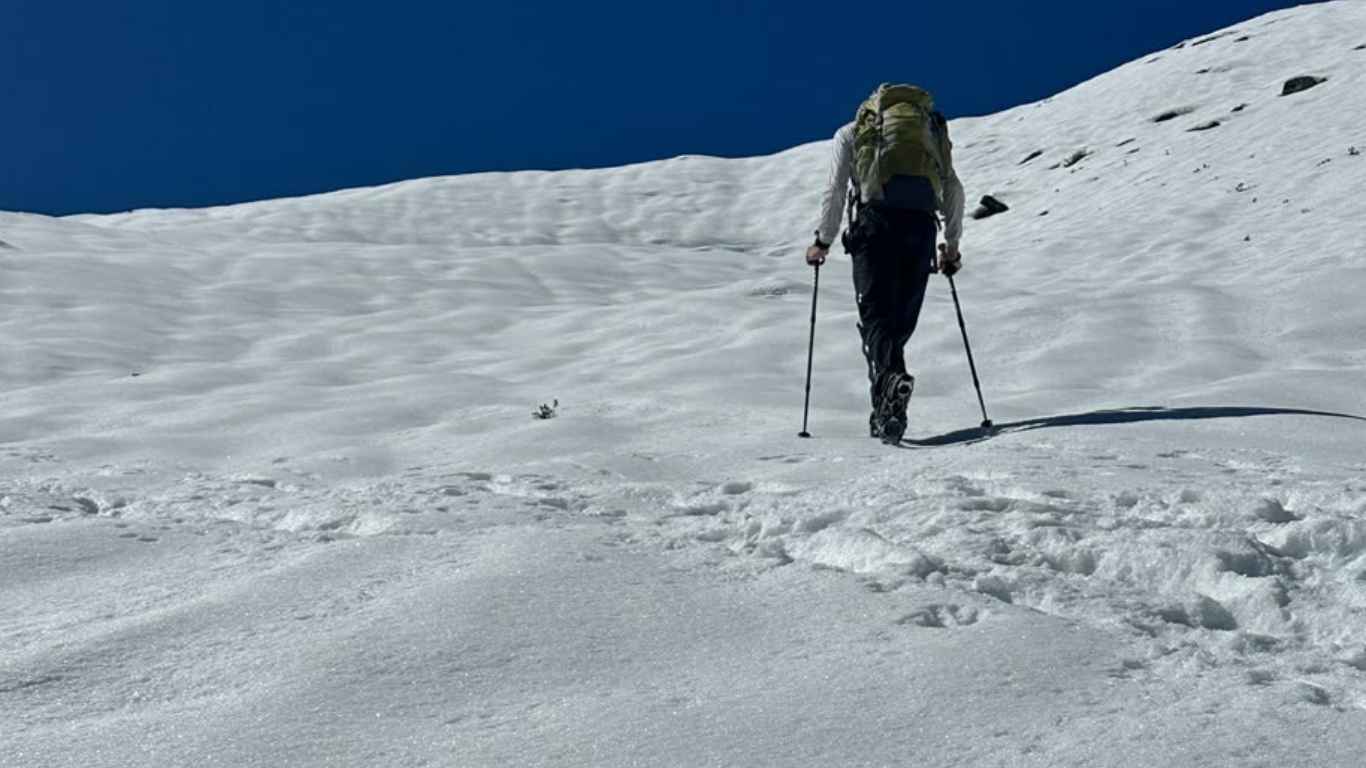
Mera Peak Climbing Guide Everything You Need to Know Before Climbing Mera Peak (6,476m)
Mera Peak Climbing Guide : Everything You Need to Know Before Climbing Mera Peak (6,476m)
Mera Peak (6,476m / 21,247ft) is one of Nepal’s most rewarding trekking peaks, offering an extraordinary Himalayan experience for adventurous trekkers who want to take their first step into high-altitude mountaineering.
Located in the remote Hinku Valley of the Solukhumbu region, Mera Peak is famous for its spectacular summit panorama, including views of five of the world’s highest mountains: Mount Everest, Lhotse, Makalu, Cho Oyu and Kangchenjunga.
Although Mera Peak is often described as a suitable first Himalayan climbing objective, it should not be underestimated. Reaching the summit requires good physical preparation, proper acclimatisation, glacier-travel skills and the ability to manage challenging high-altitude conditions.
At Alpine Sherpa Club, we believe a successful expedition begins with the right preparation, a realistic itinerary and experienced local mountain guides. This guide explains what you should know before choosing Mera Peak in 2027.
1. Mera Peak Climbing Routes: Short Route vs. Long Route
There are different approaches to Mera Peak, and choosing the right itinerary is one of the most important decisions when planning your expedition.
The two commonly discussed approaches are the shorter route via Zatrwa La and the longer approach through the traditional villages and trails of the Hinku Valley.
Short route via Zatrwa La Pass
Approximate duration: 14–16 days, depending on the itinerary.
This approach usually involves flying to Lukla and crossing Zatrwa La Pass before continuing towards the Hinku Valley.
It can reduce the overall trekking duration, but the faster approach means climbers need to pay close attention to their acclimatisation schedule. Crossing a high pass early in an expedition can be demanding, particularly for people who have not recently spent time at altitude.
The suitability of this route depends on the full itinerary, including daily elevation gain, sleeping altitudes, rest days and the climber’s previous acclimatisation.
We do not recommend choosing a shorter itinerary simply to save time. A faster schedule is not automatically unsafe, but it should be planned carefully and should not compromise acclimatisation.
Longer route via Paiya, Panggom and the Hinku Valley
Approximate duration: 18–24 days, depending on the itinerary.
The longer approach follows a more gradual trekking journey through the lower Solukhumbu region before entering the Hinku Valley.
Depending on the selected itinerary, the route may pass through places such as Paiya, Panggom, Nashing Dingma and Kothe before continuing towards Thangnak and Khare.
This approach offers:
* More time for gradual altitude gain.
* A longer trekking experience through remote mountain villages.
* More opportunities to adjust to the changing altitude.
* Additional time to experience the landscapes and culture of the Hinku Valley.
For climbers attempting their first 6,000-metre peak, we generally prefer a longer itinerary that allows a more gradual approach. However, the total number of days alone does not determine acclimatisation quality. The actual sleeping elevations and daily ascent schedule matter most.
Our recommendation: Choose an itinerary based on safe acclimatisation, not simply the shortest possible duration. Your guide and expedition team should be prepared to adjust the schedule according to your condition and the mountain weather.
2. Where Is Mera Peak Located?
Mera Peak is situated in the Hinku Valley of the Solukhumbu region in eastern Nepal, within the Makalu-Barun National Park area.
The mountain lies in the Mahalangur Himal range and is surrounded by impressive Himalayan peaks, glaciers and remote alpine landscapes.
The usual expedition begins with a flight from Kathmandu to Lukla, followed by a trek into the Hinku Valley. Compared with the busy Everest Base Camp trail, the Hinku Valley offers a quieter and more remote trekking experience.
Along the way, climbers pass through traditional mountain settlements, forests, suspension bridges, high-altitude pastures and dramatic glacial scenery.
3. How High Is Mera Peak?
Mera Peak stands at 6,476 metres (21,247 feet) above sea level.
It is commonly recognised as one of Nepal’s highest trekking peaks and is a popular choice for climbers preparing for more demanding Himalayan mountaineering objectives.
At this altitude, the body receives significantly less oxygen than at sea level. Even fit and experienced trekkers can experience altitude-related symptoms.
Proper acclimatisation, hydration, nutrition and communication with your guide are essential throughout the expedition.
4. What Mountains Can You See From the Summit of Mera Peak?
One of the main reasons climbers choose Mera Peak is its remarkable summit panorama.
From the summit, on a clear day, you can see five of the world’s highest mountains:
* Mount Everest (8,848.86m)
* Kangchenjunga (8,586m)
* Lhotse (8,516m)
* Makalu (8,485m)
* Cho Oyu (8,188m)
You can also enjoy views of numerous other Himalayan peaks, glaciers and mountain ranges stretching across the horizon.
The summit offers an exceptional 360-degree panorama, making Mera Peak one of the most rewarding viewpoints in the Nepal Himalayas.
Visibility depends on weather conditions. Cloud, wind and snowfall can affect the views, so a clear summit day is never guaranteed.
5. How Difficult Is Mera Peak Climbing?
Mera Peak is generally considered a trekking peak with relatively straightforward technical climbing conditions compared with more technical Himalayan objectives.
However, this does not mean it is easy.
The biggest challenges are usually:
* High altitude and reduced oxygen.
* Long trekking days and sustained physical effort.
* Cold temperatures, particularly at High Camp.
* Walking on snow and glaciers.
* Using crampons, an ice axe and a climbing harness.
* Managing fatigue during the summit push.
The final climbing section involves glacier travel and may include fixed ropes, depending on the route and mountain conditions.
You do not need to be an expert mountaineer, but you must be physically prepared and willing to learn basic climbing techniques.
6. Do You Need Previous Mountaineering Experience?
Previous mountaineering experience is helpful but not always essential.
Mera Peak can be a suitable first 6,000-metre climbing objective for fit trekkers who are comfortable with long walking days and high-altitude environments.
However, you should not arrive expecting to learn everything on summit day.
Before attempting the climb, you should become familiar with:
* Wearing and walking in crampons.
* Using an ice axe.
* Moving safely on snow and glacier terrain.
* Using a climbing harness.
* Understanding basic rope procedures.
* Following your guide’s instructions on fixed ropes.
Our climbing guides provide practical instruction and a briefing at Khare before the climbing section. This preparation helps climbers understand the equipment and techniques they will use on the mountain.
If you have never climbed before, regular physical training and a willingness to learn are especially important.
7. How Fit Do You Need to Be for Mera Peak?
You do not need to be a professional athlete, but you should have good cardiovascular fitness, leg strength and endurance.
The expedition involves several consecutive days of trekking, often at high altitude. Summit day can be particularly demanding because of the cold, altitude and long hours of climbing.
We recommend preparing for at least 8–12 weeks before departure.
Useful training includes:
* Hiking regularly, ideally with a loaded backpack.
* Walking uphill and climbing stairs.
* Running, cycling or swimming to improve cardiovascular endurance.
* Strength training for your legs and core.
* Practising long walks on consecutive days.
If possible, complete a few longer hikes before travelling to Nepal. This helps you understand how your body responds to sustained physical activity.
Good fitness can make the expedition more manageable, but it does not prevent altitude sickness.
8. Altitude Sickness and Acclimatisation
Altitude sickness is one of the most important risks to understand before climbing Mera Peak.
As you ascend, the amount of available oxygen decreases. Your body needs time to adapt to the changing conditions.
Common symptoms of acute mountain sickness (AMS) include:
* Headache.
* Nausea or vomiting.
* Loss of appetite.
* Dizziness.
* Unusual tiredness.
* Difficulty sleeping.
Never ignore symptoms or hide them from your guide.
The most important safety measures are a sensible ascent schedule, appropriate acclimatisation days and honest communication about how you feel.
If symptoms become worse, ascending further can be dangerous. Descent may be necessary, and severe symptoms require urgent medical attention.
A longer itinerary can provide more opportunities for gradual acclimatisation, but it does not guarantee that you will avoid altitude sickness. Your sleeping altitude and how your body responds are more important than the total number of days alone.
9. Best Time to Climb Mera Peak
The main climbing seasons for Mera Peak are spring and autumn.
Spring: March to May
Spring is one of the most popular seasons for climbing Mera Peak.
During this period, the weather generally becomes more stable as the season progresses. Temperatures can be cold at higher elevations, but conditions are often suitable for trekking and climbing.
Spring also brings changing landscapes in the lower valleys, with forests and mountain trails becoming greener.
Autumn: September to November
Autumn is another excellent season for Mera Peak.
After the monsoon, the skies often become clearer, offering impressive mountain views. October and November are particularly popular months for Himalayan trekking and climbing.
Temperatures become colder as the season progresses, especially at High Camp and during the summit attempt.
Which season is better?
Both spring and autumn can offer good climbing conditions. The actual weather varies from year to year, and no season guarantees a successful summit.
Your expedition should include enough flexibility to respond to changing weather and mountain conditions.
10. What Is the Hardest Part of Mera Peak Climbing?
For many climbers, the most challenging part is not the technical climbing itself. It is dealing with the combination of altitude, cold, fatigue and a long summit day.
High Camp
Mera High Camp is located at approximately 5,800 metres.
The environment is exposed, cold and often windy. Sleeping at this altitude can be difficult, and some climbers experience headaches, loss of appetite or disturbed sleep.
Good preparation and appropriate clothing are essential.
Summit day
Summit day usually begins very early, often around midnight or in the early hours of the morning.
Climbers start in darkness and continue towards the summit over snow and glacier terrain. The combination of low temperatures, altitude and physical effort makes this a demanding day.
The summit push can take several hours, and the total time depends on weather, snow conditions, the team’s pace and individual fitness.
Reaching High Camp does not guarantee a summit. Wind, snowfall, visibility and the condition of the climbing team all influence the final decision.
Your guide may decide to delay or cancel the summit attempt if conditions are unsafe.
11. How Long Does It Take From Khare to Mera High Camp?
The journey from Khare towards Mera High Camp is a demanding high-altitude section of the expedition.
Depending on the chosen route, snow conditions, acclimatisation and the team’s condition, the journey can take approximately 4–6 hours or longer.
Some itineraries include an overnight stop at Mera Base Camp before continuing to High Camp. Other plans may consider moving from Khare towards High Camp in one day when conditions, acclimatisation and the climbers’ fitness make it appropriate.
There is no single schedule that is right for everyone.
At Alpine Sherpa Club, we believe this section should be planned according to the team’s condition and the actual mountain conditions rather than following a fixed timetable at all costs.
12. Mera Peak Climbing Itinerary: How Many Days Do You Need?
A Mera Peak expedition commonly takes around 17–24 days, depending on the route, acclimatisation schedule, trekking pace and weather contingency.
A shorter itinerary may be possible for climbers with suitable prior acclimatisation, but reducing the number of days should never come at the expense of a safe ascent profile.
A longer itinerary allows more time to explore the Hinku Valley and can provide additional flexibility for acclimatisation and weather delays.
Your final itinerary should clearly show:
* Daily walking duration.
* Elevation gain and sleeping altitude.
* Acclimatisation days.
* The planned route to Base Camp and High Camp.
* Summit-day arrangements.
* Weather contingency arrangements.
* The return journey to Lukla and Kathmandu.
We recommend discussing your previous trekking and climbing experience with your expedition operator before selecting an itinerary.
13. What Permits Are Required for Mera Peak?
Climbing Mera Peak requires the relevant climbing and conservation-area permissions.
The main permits generally include:
Mera Peak climbing permit
A climbing permit issued through the relevant Nepal mountaineering authority is required to attempt the summit.
Makalu-Barun National Park entry permit
The expedition also requires the applicable national park entry permission for the area.
Permit requirements and administrative procedures can change. Alpine Sherpa Club will confirm the applicable requirements for your departure season and help arrange the necessary permits as part of the expedition preparation.
Climbers should carry the required identification and travel documents throughout the journey.
14. What Equipment Do You Need for Mera Peak?
https://www.alpinesherpaclub.com/blog/6000m-peak-climbing-gear-list-complete-packing-guide-for-nepal
During the trekking section, accommodation is generally in local teahouses and mountain lodges.
Facilities become more basic as you move higher into the Hinku Valley. Rooms are usually simple, and availability of hot showers, charging facilities and internet can be limited.
Typical meals include:
* Dal bhat.
* Rice and vegetables.
* Noodles and soup.
* Pasta.
* Potatoes.
* Eggs.
* Bread and porridge.
* Tea, coffee and other hot drinks.
At higher camps, accommodation arrangements become more basic and may involve camping.
It is important to eat regularly and drink enough fluids throughout the expedition. Your appetite may decrease at altitude, but maintaining your energy is essential.
16. Travel Insurance for Mera Peak Climbing
Travel insurance is essential for Mera Peak.
A standard travel insurance policy may not cover mountaineering activities, glacier travel or climbing at high altitude.
Before travelling, check that your policy specifically covers:
* Mountaineering or peak climbing up to at least 6,500 metres.
* Crampon and ice-axe use.
* Emergency medical treatment.
* Helicopter evacuation and mountain rescue.
* Repatriation, where applicable.
Read the policy wording carefully rather than relying only on a general statement that adventure activities are covered.
You should also provide your insurance details and emergency contact information to your expedition operator before departure.
17. Why Climb Mera Peak With Alpine Sherpa Club?
https://www.alpinesherpaclub.com/blog/why-choose-alpine-sherpa-club
18. Mera Peak vs. Island Peak vs. Lobuche East
If you are considering your first Himalayan climbing expedition, you may also be comparing Mera Peak with Island Peak and Lobuche East.
Each mountain offers a different experience.
Mera Peak – 6,476m
Mera Peak is known for its high summit elevation and spectacular panoramic views. The climb involves glacier travel and the use of mountaineering equipment, but it is generally less technically demanding than Island Peak or Lobuche East in normal conditions.
Island Peak – 6,189m
Island Peak involves more technical climbing sections, including steeper snow and ice terrain. It is a popular choice for trekkers who want to develop their mountaineering skills.
Lobuche East – 6,119m
Lobuche East offers a more technical climbing experience, with steeper sections and fixed-rope climbing depending on conditions. It is often combined with the Everest Base Camp trekking route.
The best mountain for you depends on your experience, fitness, objectives and the type of climbing experience you want.
19. Frequently Asked Questions About Mera Peak Climbing
Is Mera Peak suitable for beginners?
Mera Peak can be suitable for fit beginners who are prepared for high-altitude trekking and basic mountaineering. Previous climbing experience is helpful but not always essential. Proper preparation and guide-led training are important.
Can I climb Mera Peak without previous mountaineering experience?
Yes, it may be possible. You should have good physical fitness, be comfortable with long trekking days and be willing to learn basic mountaineering techniques. Your guide will provide practical instruction before the climbing section.
How many days does Mera Peak climbing take?
Most expeditions take approximately 17–24 days, depending on the route, acclimatisation schedule and weather contingency.
What is the best month to climb Mera Peak?
Spring (March–May) and autumn (September–November) are the main climbing seasons. Weather conditions vary, so the best departure period should be discussed with your expedition operator.
How cold is it at Mera High Camp?
Temperatures at High Camp can be extremely cold, particularly at night and before sunrise. Conditions vary by season and weather. Proper high-altitude clothing and a suitable sleeping bag are essential.
Is Mera Peak more difficult than Island Peak?
Mera Peak is generally less technical than Island Peak, but it is higher. Island Peak has more technical climbing sections, while Mera Peak presents significant challenges through altitude, cold and glacier travel.
Do I need to know how to use crampons and an ice axe?
You do not necessarily need previous experience, but you must learn the basic techniques before climbing. Your guide will provide practical instruction and explain how to use the equipment safely.
Is altitude sickness common on Mera Peak?
Altitude sickness can affect anyone, regardless of age or fitness. A gradual ascent, appropriate acclimatisation and honest communication with your guide are essential.
Can I guarantee a Mera Peak summit?
No responsible expedition operator can guarantee a summit. Weather, snow conditions, wind, altitude and individual health all affect the final decision. Safety must always come before reaching the summit.
What happens if the weather is bad on summit day?
Your guide will assess the conditions and decide whether it is safe to attempt the summit. Depending on the itinerary and available time, the team may wait for a suitable weather window. If conditions remain unsafe, the summit attempt may need to be cancelled.
20. Final Thoughts: Is Mera Peak the Right Climb for You?
Mera Peak is an outstanding choice for adventurous trekkers who want to experience high-altitude mountaineering in the Nepal Himalayas.
Its spectacular summit panorama, remote Hinku Valley approach and rewarding climbing experience make it one of Nepal’s most memorable trekking peaks.
However, reaching 6,476 metres requires more than determination. You need proper physical preparation, a sensible acclimatisation schedule, suitable equipment and an experienced climbing team.
If you are considering Mera Peak , take time to choose the right route and itinerary for your experience and available time.
Ready to plan your Mera Peak expedition?
Contact Alpine Sherpa Club to discuss your climbing experience, preferred dates and itinerary. Our team will help you prepare for a well-planned Himalayan adventure.
https://www.alpinesherpaclub.com/package/mera-peak-climbing-6476-m
Your time is limited, so don’t waste it living someone else’s life. Don’t be trapped by dogma – which is living with the results
All Comments